Ethical eating for real life: small steps that fit your budget
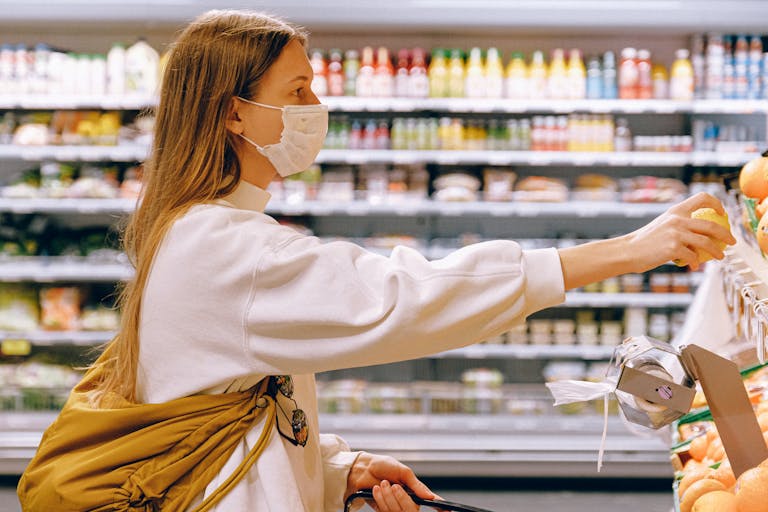
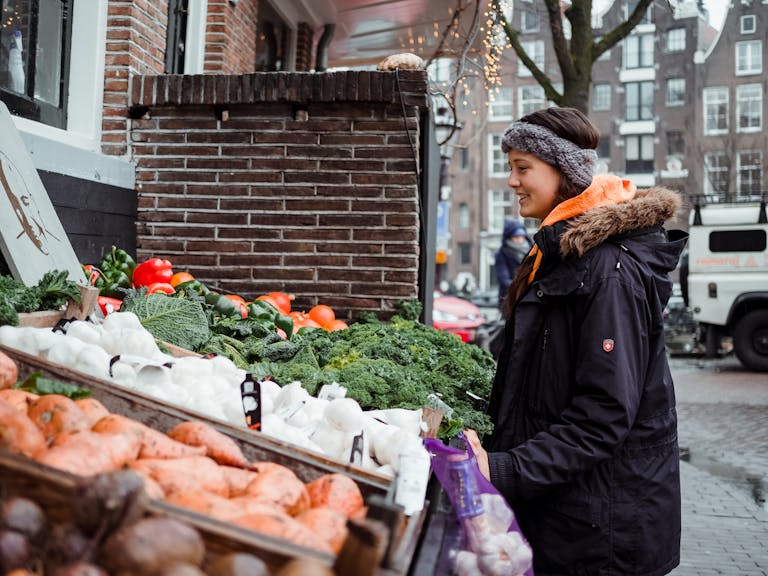
On Substack, Helen Freeman argues that ethical eating isn’t about perfection or lifestyle branding — it’s about making small, repeatable choices that work within real constraints.
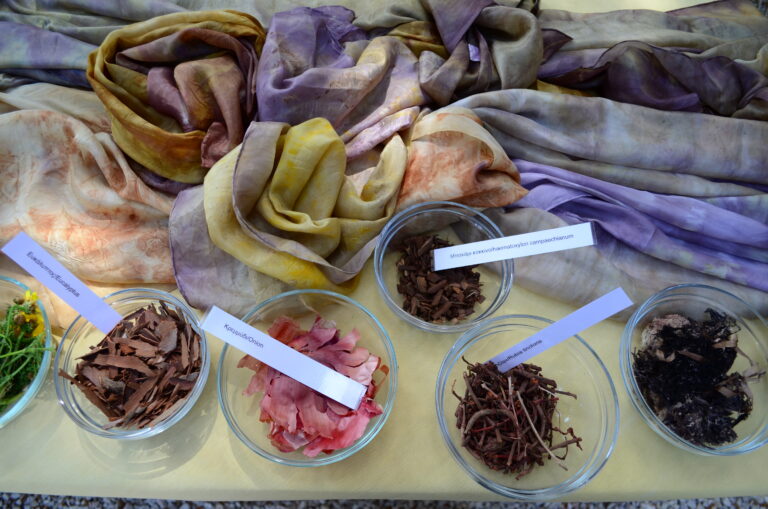
Agency lets products with plant-derived colorants claim “no artificial colors,” drawing praise from officials and pushback from consumer advocates.
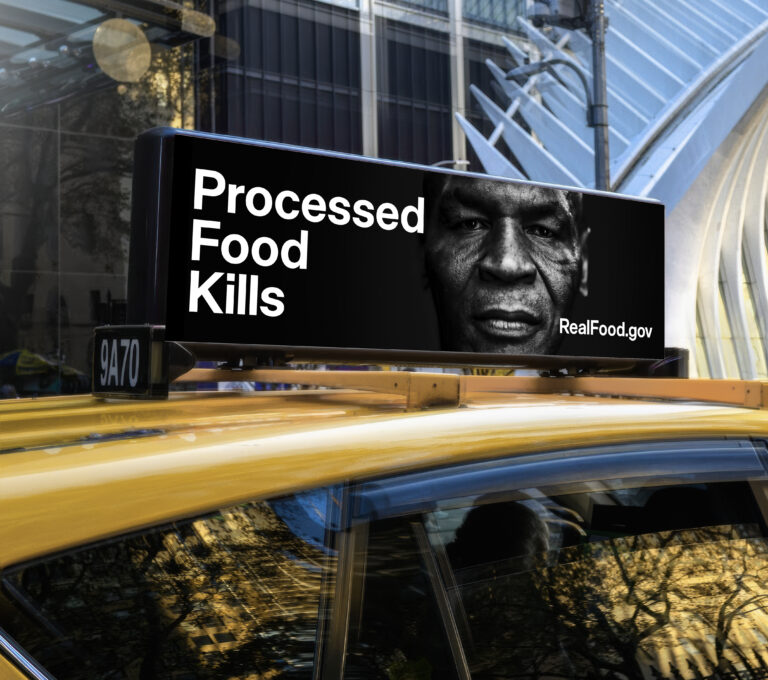
A new Super Bowl ad featuring Mike Tyson is fueling a national push to rethink ultra-processed food, public nutrition programs, and the growing distance between Americans and real, nutrient-dense food.
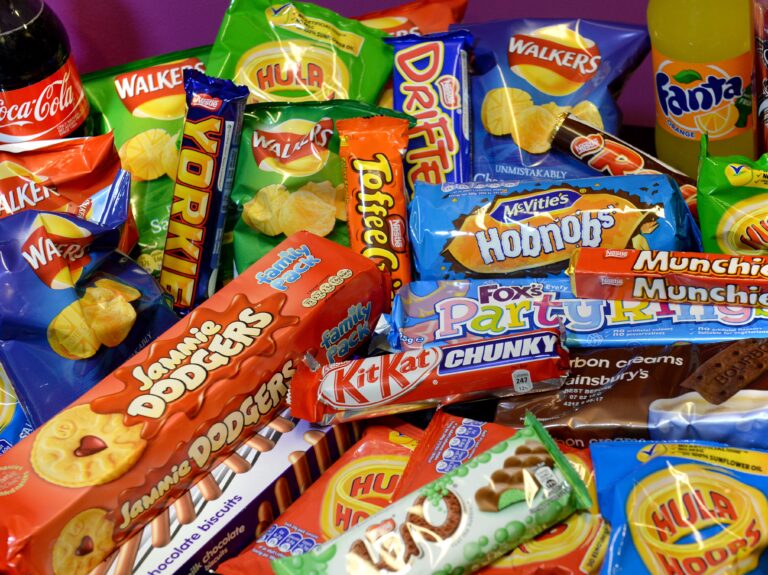
With more than half of household calories coming from ultra-processed food, the UK has become a case study in how modern food systems prioritize efficiency and profit over long-term health and resilience.
In a hard-hitting CHD.TV series, Dr. Nass exposes how toxic policies, industrial agriculture, and chemical contamination are threatening American farms and the food we eat.
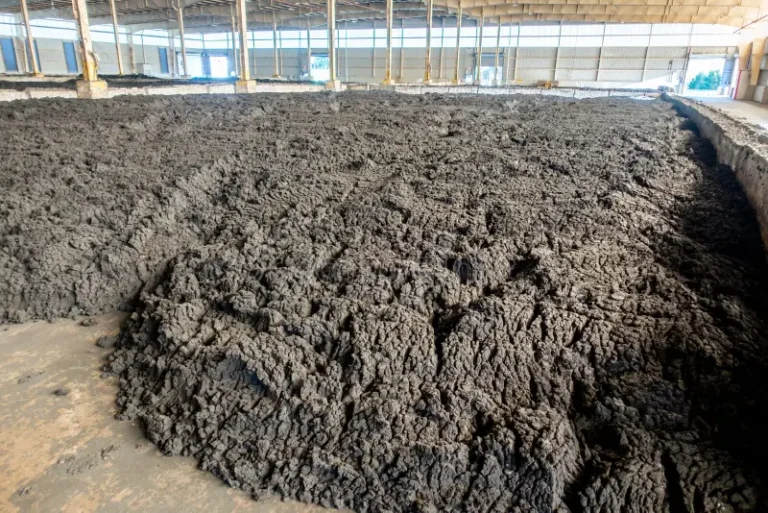
Rebranded sewage sludge — loaded with PFAS, microplastics, pharmaceuticals, and other industrial wastes — has been spread on millions of acres, poisoning soil, food, and groundwater while regulators look away.
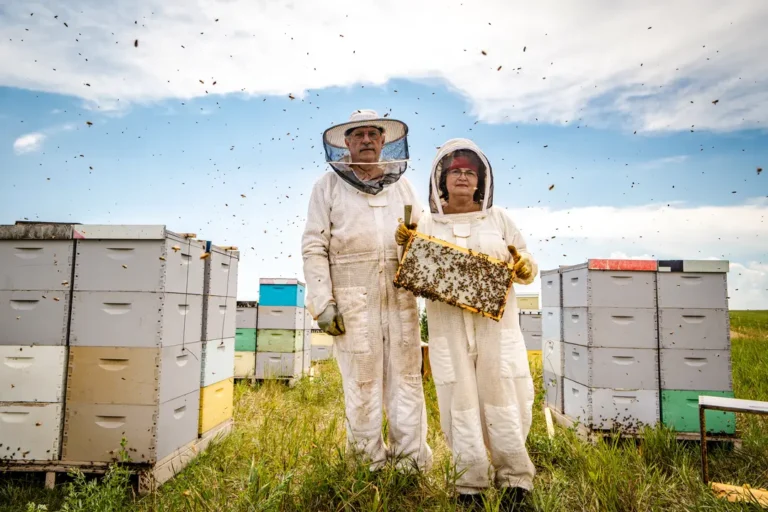
A record 60% of U.S. colonies collapsed in the past year as the deadly Varroa mite grows resistant to pesticides, threatening crops and livelihoods across the country.
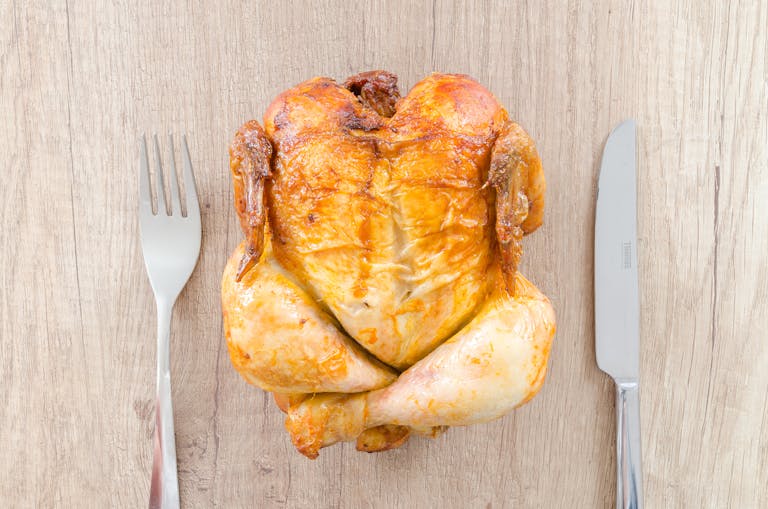
In a 2012 New York Times column, Nicholas Kristof revealed that factory-farmed poultry is on more meds than you are — raising serious questions about food safety and the true costs of cheap meat.
Toxic biosolids are being sold as fertilizer, despite lurking chemical dangers that regulators have ignored.
From pandemic windfalls to decades of mergers, America’s grocery giants have tightened their grip on food retail — driving up prices, squeezing farmers, and leaving communities with fewer choices.