Regenerative Practices Cut Costs and Chemical Use, Indiana Farmer Says
Rick Clark told Robert F. Kennedy Jr. that reducing synthetic inputs can improve farm profitability, but education, lending rules and crop insurance remain barriers to adoption.
A provision in the 2026 Farm Bill could establish a precedent that states may no longer meaningfully govern the terms under which food is produced and sold within their own borders.
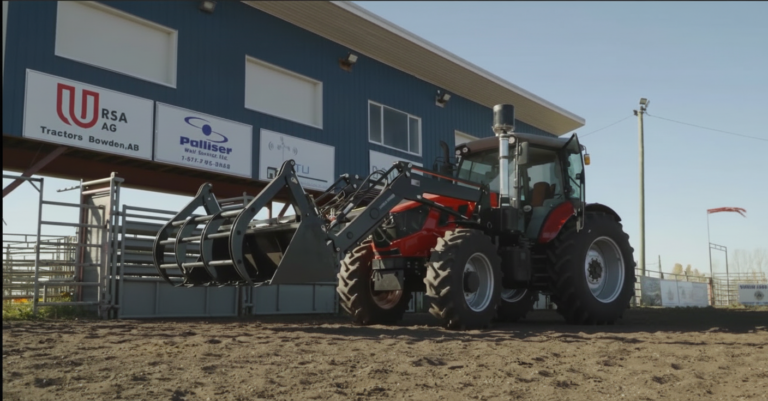
A Canadian tractor builder is drawing massive interest by offering repairable, low-tech machines as farmers struggle with soaring equipment costs, software lockouts, and growing dependence on corporate-controlled systems.
From SNAP cuts to farm survival, the policies behind your grocery bill are shifting in real time.
Major consolidation move creates one of the world’s largest food companies as growth slows in packaged foods.
Zach Lahn says as large agribusiness firms consolidate power, farmers report fewer choices, higher costs, and growing pressure on rural communities.
Regenerative farmer Zach Lahn warns that extreme consolidation has concentrated control of the food system in just a few companies.
New legislation introduced in the U.S. Senate aims to reduce market concentration in the meat industry and address grocery prices by increasing competition in meat processing.
Farm Action’s Angela Huffman says decades of consolidation have left most of the U.S. food supply chain controlled by just a few corporations.
An undercover video at CattleCon 2026 highlights what many ranchers have warned for years: four corporations dominate U.S. beef processing — and independent producers are paying the price.