Campaign targets ultra-processed foods
Fed UP! brings together researchers to translate emerging science into public education and calls for greater transparency and accountability in the food system.

Fed UP! brings together researchers to translate emerging science into public education and calls for greater transparency and accountability in the food system.
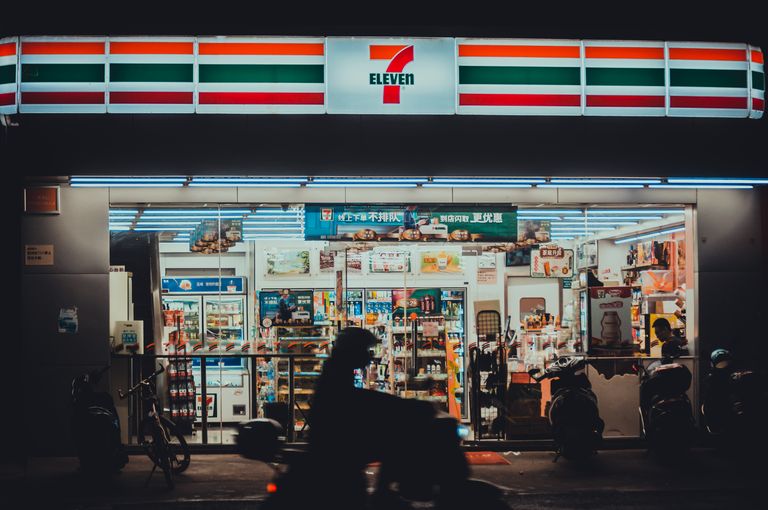
A Chicago Tribune story frames cultivated meat as a possible solution to protein affordability, but the promise still depends on scale, cost, public trust, and who ultimately controls production.
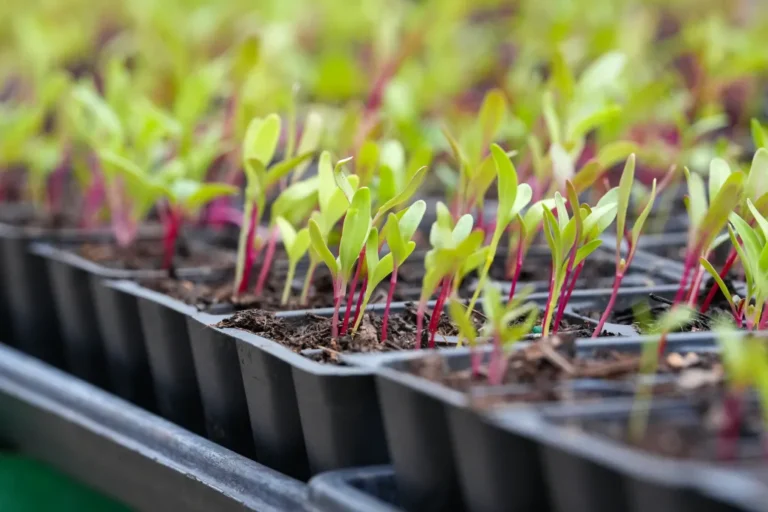
From indianapolis to anywhere, CSAs and urban growers close the gap between people and their food.

From soil tests to chemical inputs, modern gardening practices have replaced observation with control — but plants, insects, and weeds are still signaling what the land actually needs.

New dietary guidelines and weight-loss drugs push consumers toward meat, driving demand despite high prices.
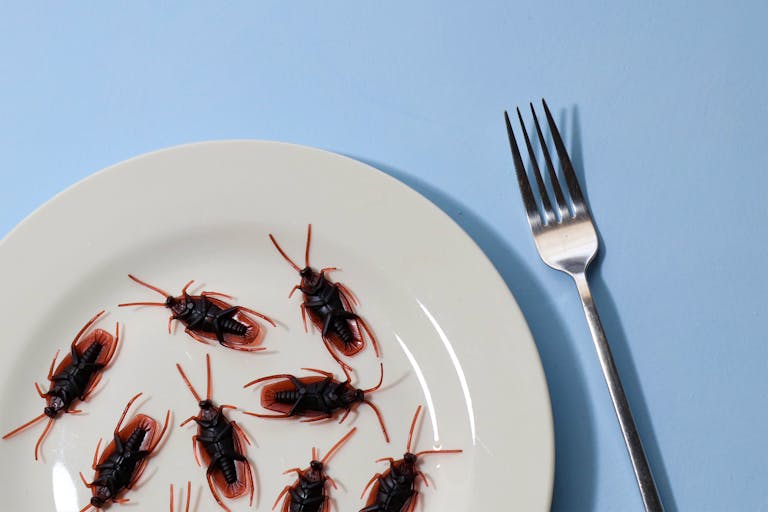
From failed startups to stalled mega-projects, the global push to industrialize insect protein is losing momentum.

On Substack, Helen Freeman argues that ethical eating isn’t about perfection or lifestyle branding — it’s about making small, repeatable choices that work within real constraints.
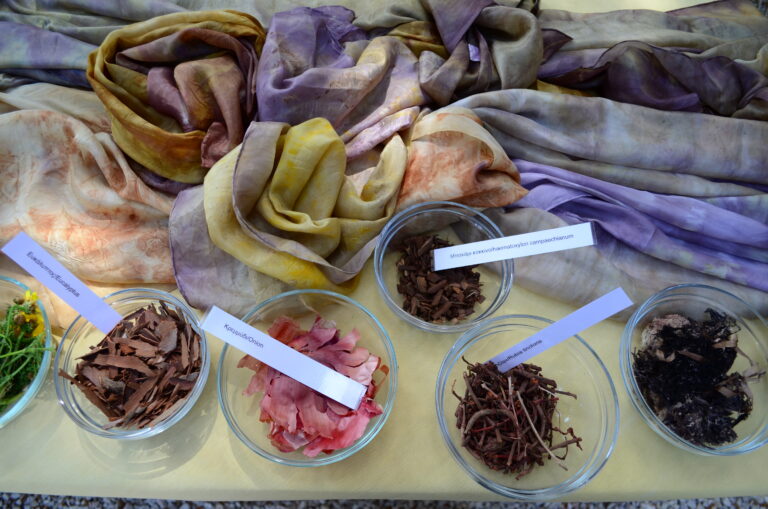
Agency lets products with plant-derived colorants claim “no artificial colors,” drawing praise from officials and pushback from consumer advocates.
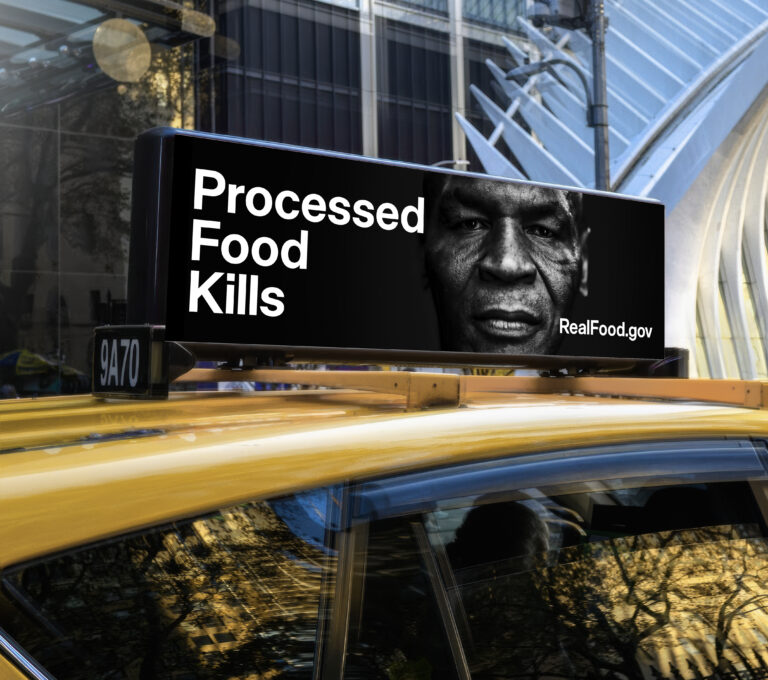
A new Super Bowl ad featuring Mike Tyson is fueling a national push to rethink ultra-processed food, public nutrition programs, and the growing distance between Americans and real, nutrient-dense food.

With more than half of household calories coming from ultra-processed food, the UK has become a case study in how modern food systems prioritize efficiency and profit over long-term health and resilience.