Beef Prices Push the Humble Hamburger Toward Luxury Status
Ground beef prices are up 25% in two years as drought, a 75-year-low cattle herd and rising restaurant costs collide — while Washington’s attempt to boost imports may barely move prices.
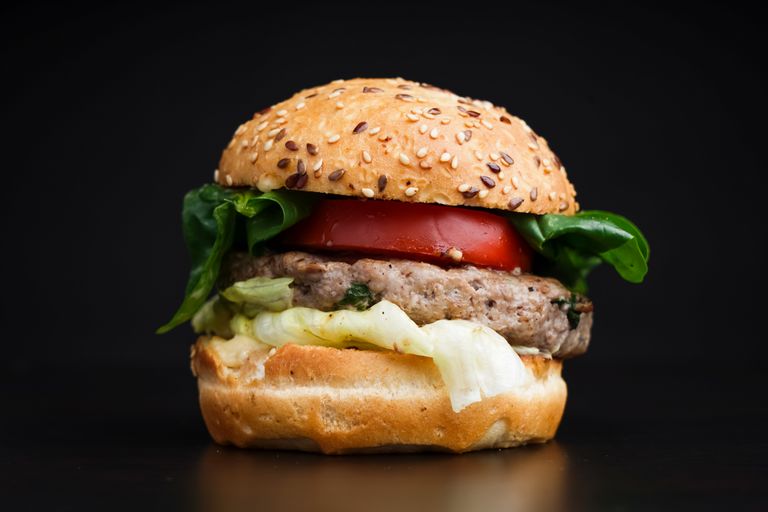
Ground beef prices are up 25% in two years as drought, a 75-year-low cattle herd and rising restaurant costs collide — while Washington’s attempt to boost imports may barely move prices.

The Brazilian meatpacking billionaire reportedly made the case for cheaper imports one day before Trump moved to ease tariffs.
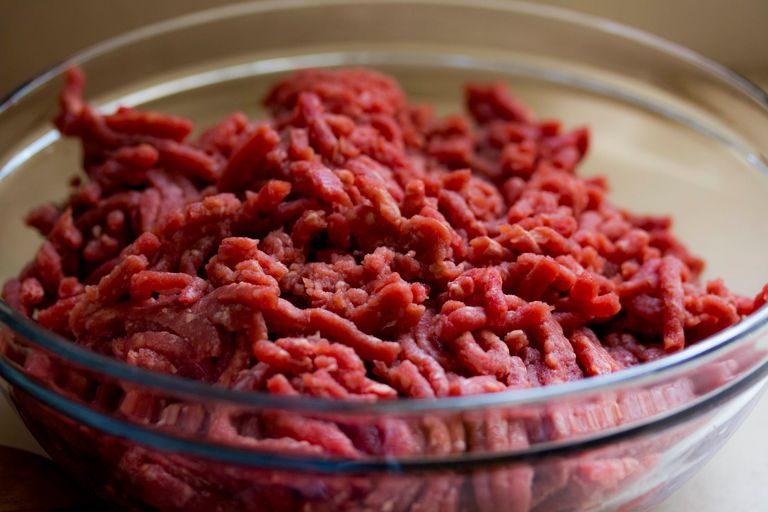
A 90-day quota exemption is intended to lower ground beef prices — but could place further pressure on American ranchers.
Despite a last-minute reconsideration and growing support, lawmakers failed to override Gov. Kelly Ayotte’s veto of House Bill 396.
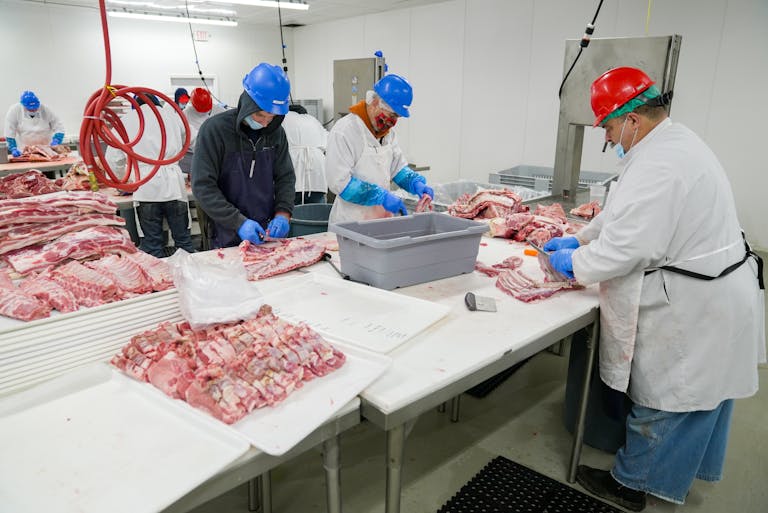
The bill would allow small farmers to sell limited quantities of locally processed meat directly to consumers, restaurants and retailers.
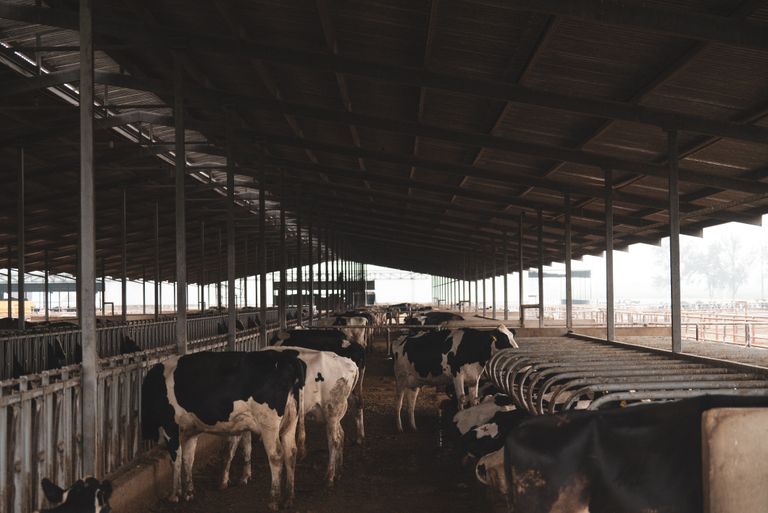
New analysis projects fewer than 20,000 dairy farms by the end of the decade as economies of scale, technology, and vertical integration reshape the industry.
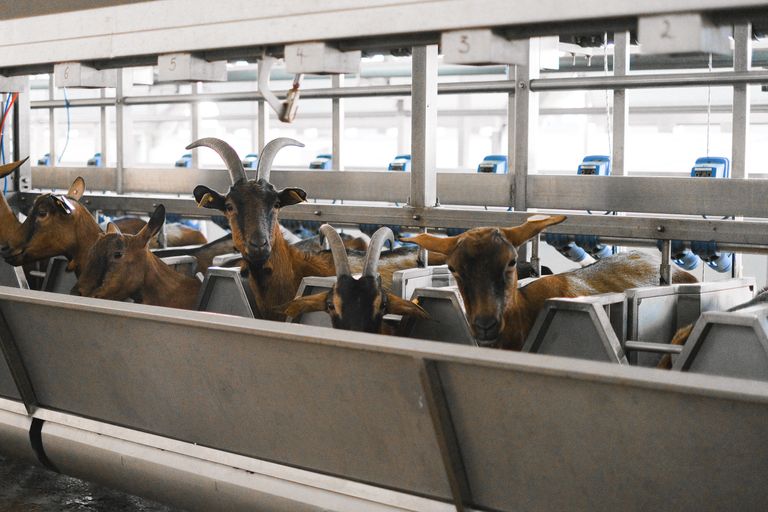
Meryl Nass says the veto of HB 396, combined with federal rollbacks and the removal of the PRIME Act from the Senate Farm Bill, favors large meat processors over independent farmers and consumers.
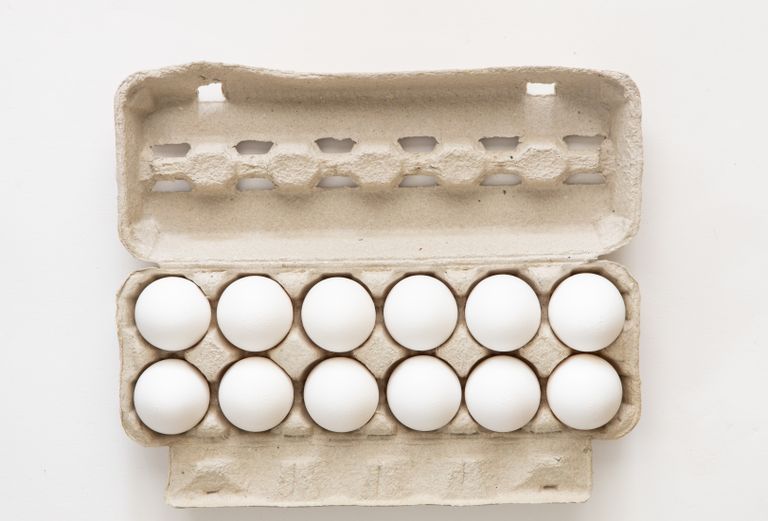
Consumers paid record prices and contract farmers earned pennies while dominant egg producers amassed huge profits — then settled price-fixing allegations for a fraction of what they made.
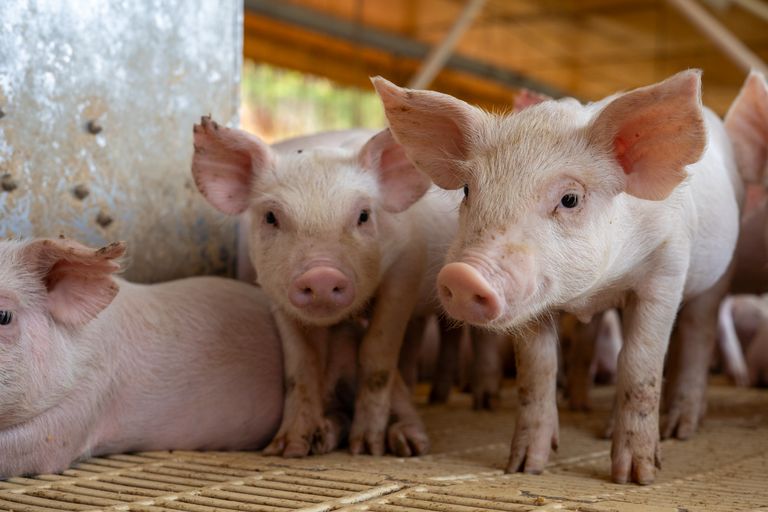
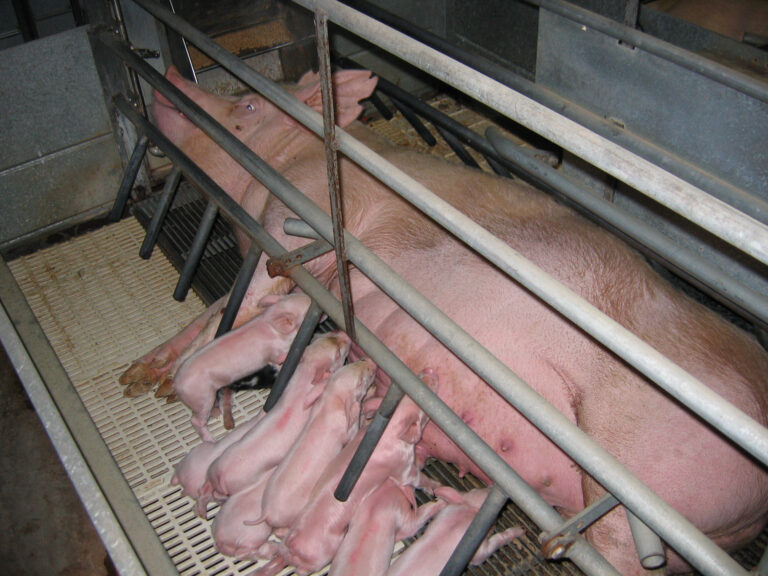
A major procedural win for animals, but not the end of the fight as Big Pork looks for another opening in the Farm Bill.
Joel Salatin argues that farmers who champion states’ rights and limited government should think twice before backing a federal bill that overrides state food standards.