The beef squeeze hitting the dinner plate
By Joe Hernandez, NPR News
According to NPR, beef prices are being driven by a basic supply problem: American ranchers are raising fewer cattle after years of drought, high feed costs, and inflation. All that uncertainty has made it difficult to rebuild herds.
But a more interesting twist is happening on the demand side. For years, shoppers kept buying beef despite higher prices, allowing the squeeze to continue without much consumer rebellion. Now that may be changing.
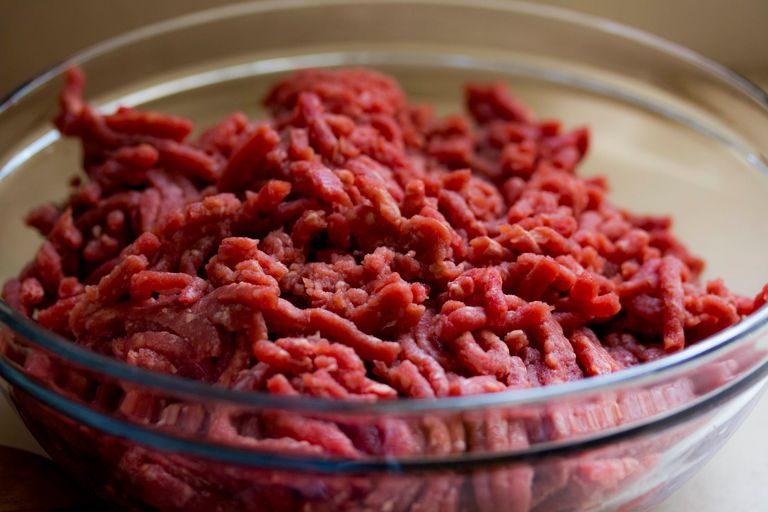
NPR reports that spending on ground beef has plateaued, while growth in ground beef purchases has slowed sharply — a sign that even loyal beef buyers may be reaching their limit. Because cattle production moves slowly, this is not a problem that can be fixed quickly; even if ranchers start rebuilding herds, it takes years before supply catches up.
The result is a food-system pressure point hiding in plain sight: beef is not just “expensive” — it is becoming a marker of what happens when weather stress, high costs, fragile supply chains, and consumer fatigue collide.