JBS Co-Owner Lobbied Trump to Cut Beef Tariffs
The Brazilian meatpacking billionaire reportedly made the case for cheaper imports one day before Trump moved to ease tariffs.

The Brazilian meatpacking billionaire reportedly made the case for cheaper imports one day before Trump moved to ease tariffs.
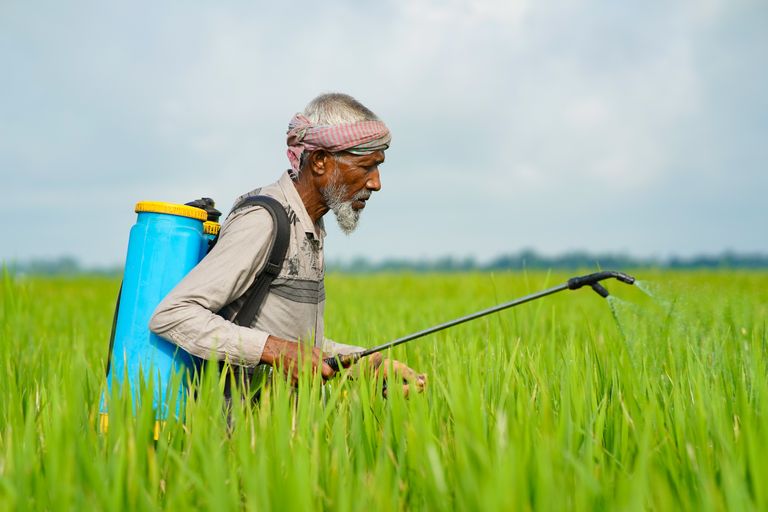
A new global review estimates 402 million to 433 million cases annually, highlighting the human cost of increasingly chemical-dependent agriculture.

The farmer and food-freedom advocate says the administration’s latest attempt to placate ranchers does little to remove the legal barriers that keep small producers from selling meat directly to consumers.
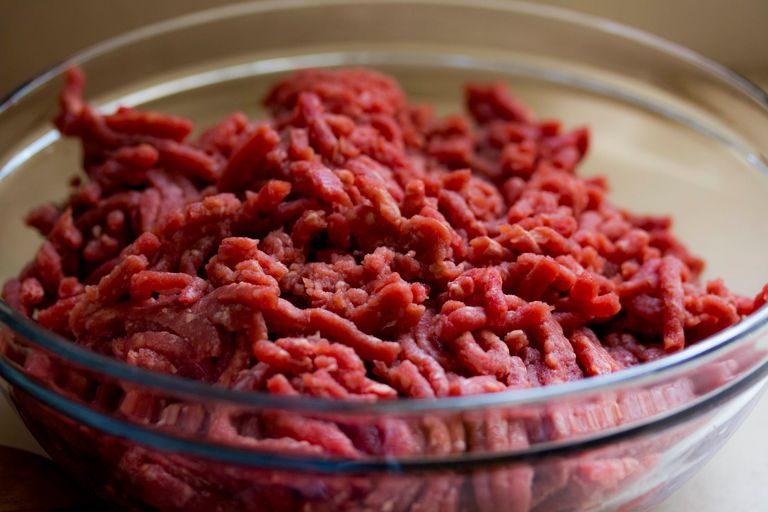
A 90-day quota exemption is intended to lower ground beef prices — but could place further pressure on American ranchers.
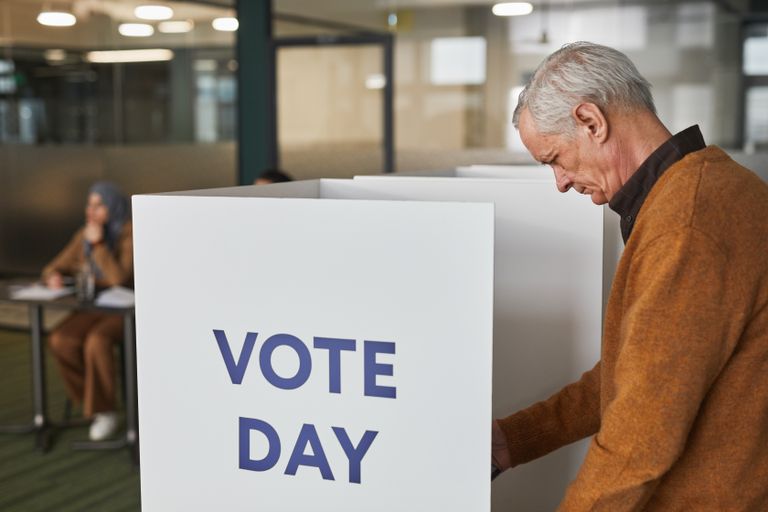
Nearly four in 10 say they may vote differently in the midterms after overwhelmingly supporting Trump.
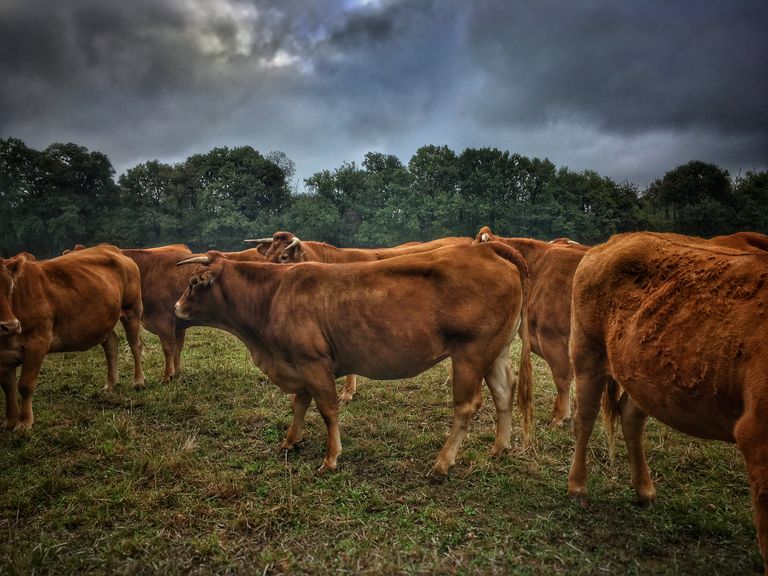
Despite a last-minute reconsideration and growing support, lawmakers failed to override Gov. Kelly Ayotte’s veto of House Bill 396.
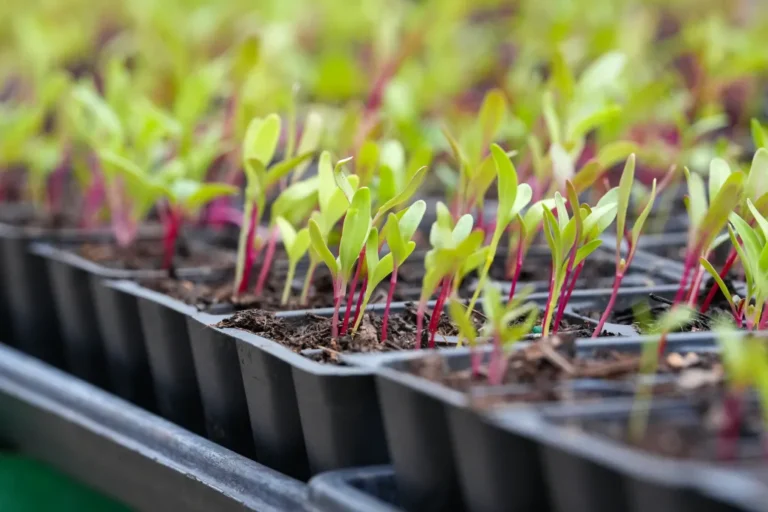
From indianapolis to anywhere, CSAs and urban growers close the gap between people and their food.

A new federal contract aims to centralize agricultural data but critics say the move could be dangerous.
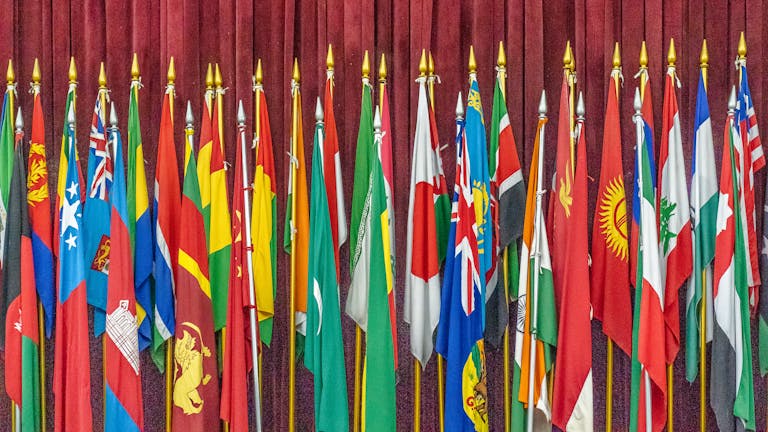
International institutions say oil, gas and fertilizer spikes will hit vulnerable, import-dependent economies hardest.
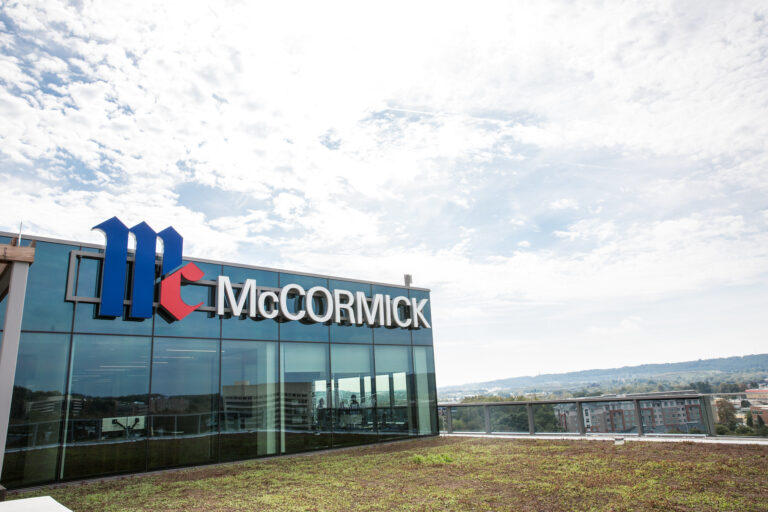
Major consolidation move creates one of the world’s largest food companies as growth slows in packaged foods.