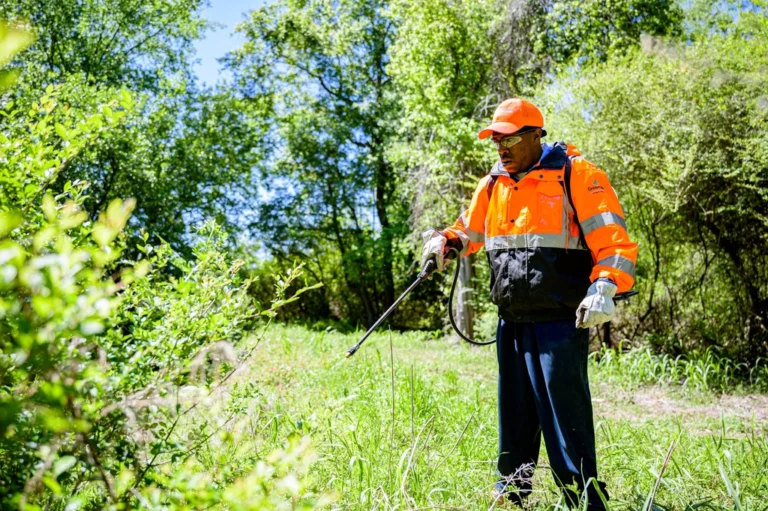
EPA reapproves dicamba despite drift damage concerns
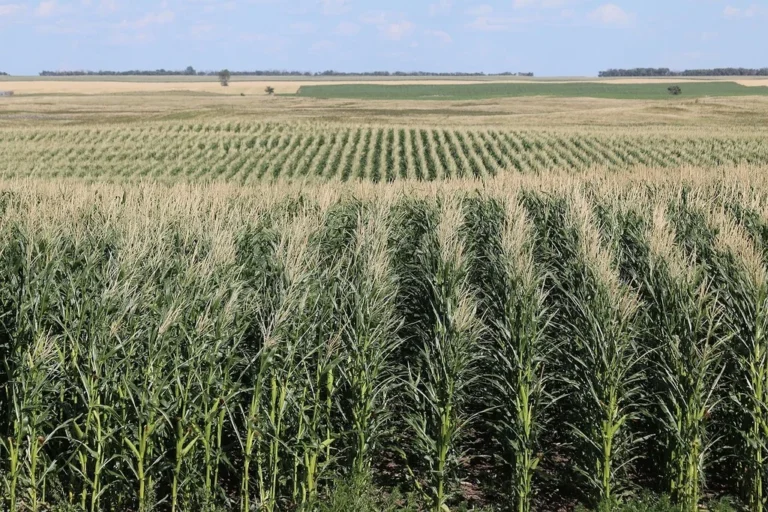
The controversial weedkiller — long blamed for off-target crop injury — will be allowed again on soy and cotton, drawing fire from farmers and environmental advocates.
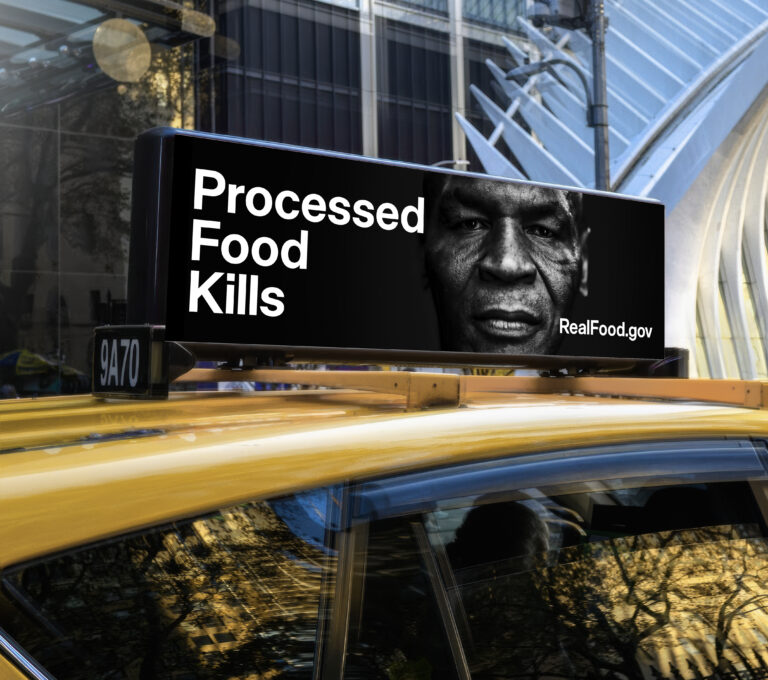
A new Super Bowl ad featuring Mike Tyson is fueling a national push to rethink ultra-processed food, public nutrition programs, and the growing distance between Americans and real, nutrient-dense food.
An Iowa Public Radio report follows the story of an Iowa farmer grappling with depression and loss, revealing how market volatility, rising costs, and isolation are pushing farmers into a mental health crisis — with suicide rates far higher than the national average.
At the World Economic Forum’s annual meeting in Davos, panelists called for a long-term “cultural revolution” to overcome consumer resistance to lab-grown meat, framing the shift as necessary for health, environmental, and food-system goals.
The Supreme Court has agreed to hear Monsanto v. Durnell, a case that could wipe out pending and future lawsuits over glyphosate — even without granting the chemical industry a blanket immunity from liability.
One of the South’s most successful growers has slashed nearly half his farmland, warning that fertilizer, fuel, and equipment prices have made large-scale farming financially impossible — and that thousands of acres across the region may sit empty next spring as farmers walk away.
This week, the House is set to vote on the Interior–Environment Appropriations bill — without Section 453, the provision that would have made updating pesticide labels significantly more difficult.
Whether America’s farmland goes to young farmers or financial giants may define the future of our food system, Joel Salatin warns.
This farmer didn’t ask permission, wait for policy reform or beg for subsidies. He simply sold directly to people who actually need food.
Officials claimed the mass slaughter of 120,000 animals was to stop H5N1, yet questions linger about fur industry rivalries, government overreach, and even vaccine trials on mink farmers.