Farmers Caught in the Crossfire of U.S.-Canada Trade War
New tariffs threaten to squeeze American agriculture from both directions — depressing export prices while raising the cost of machinery and critical fertilizer.

New tariffs threaten to squeeze American agriculture from both directions — depressing export prices while raising the cost of machinery and critical fertilizer.
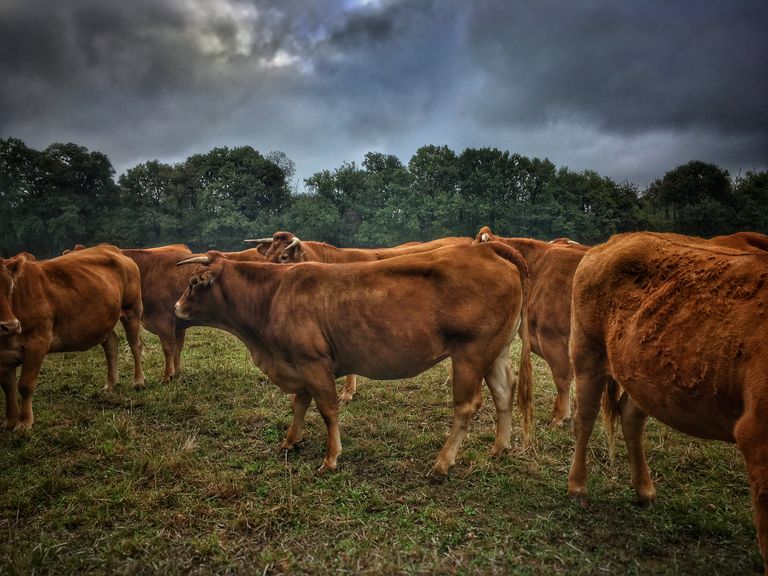
Despite a last-minute reconsideration and growing support, lawmakers failed to override Gov. Kelly Ayotte’s veto of House Bill 396.
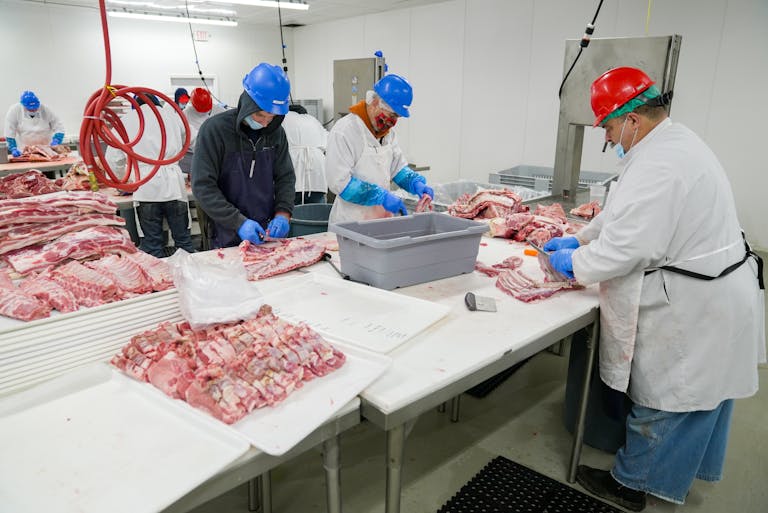
The bill would allow small farmers to sell limited quantities of locally processed meat directly to consumers, restaurants and retailers.
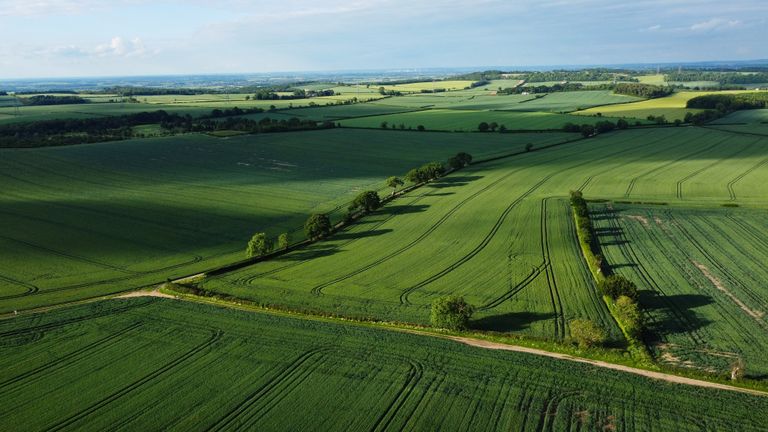
Repeated heatwaves, drought and flooding are cutting yields and forcing farms to find income beyond food production.
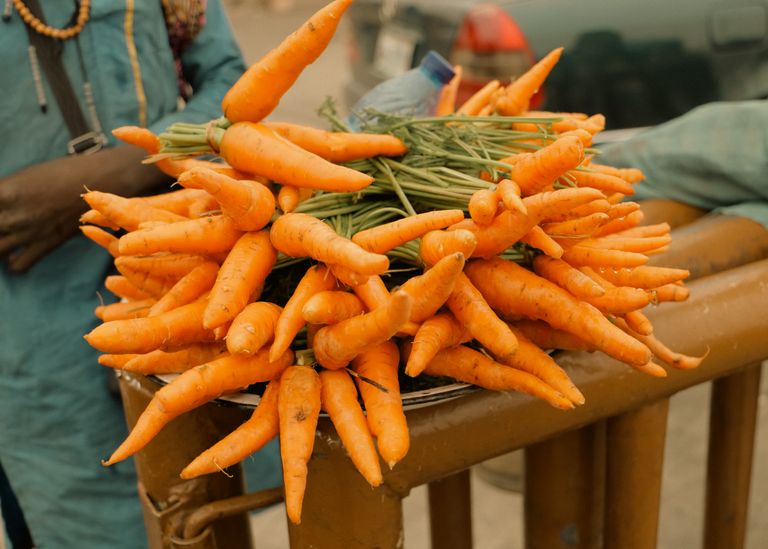
Research links regenerative farming practices to more nutrient-dense crops, but inconsistent findings, higher costs and the lack of clear standards leave major questions unresolved.
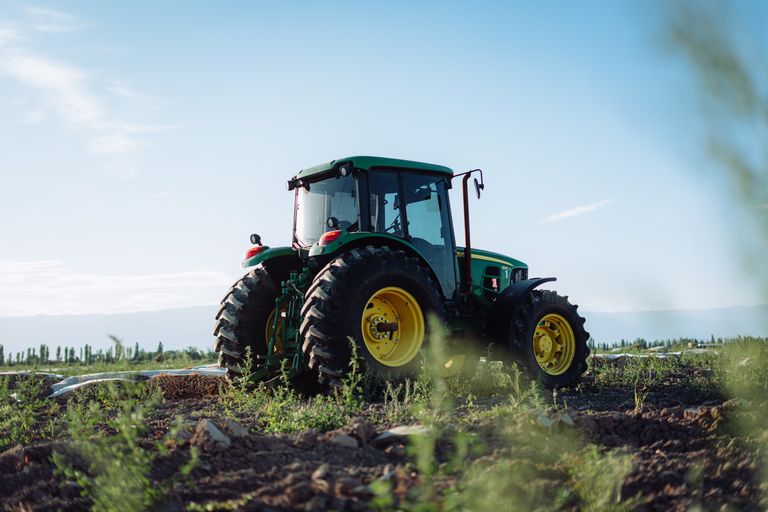
Public confidence remains unusually high, yet growing distance from agriculture leaves farming practices vulnerable to suspicion and misinformation.
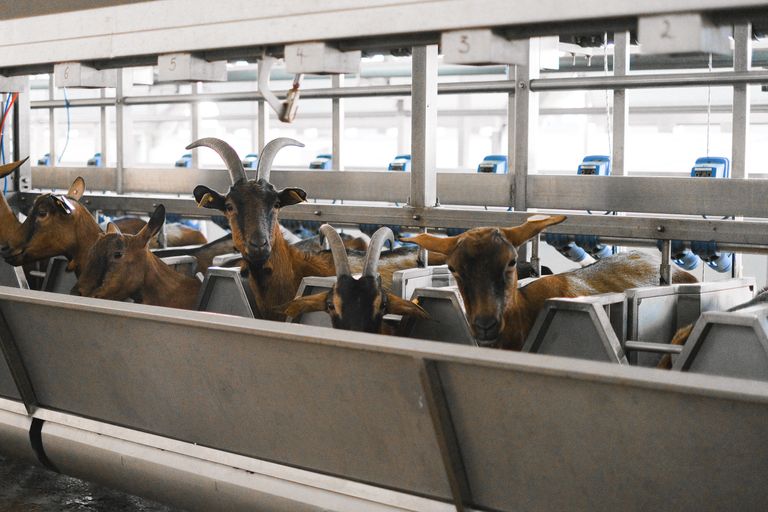
Meryl Nass says the veto of HB 396, combined with federal rollbacks and the removal of the PRIME Act from the Senate Farm Bill, favors large meat processors over independent farmers and consumers.

Producers in the Midwest are teaching each other how to improve soil health, cut costs, reduce erosion, and make farms more resilient — without waiting for top-down mandates.
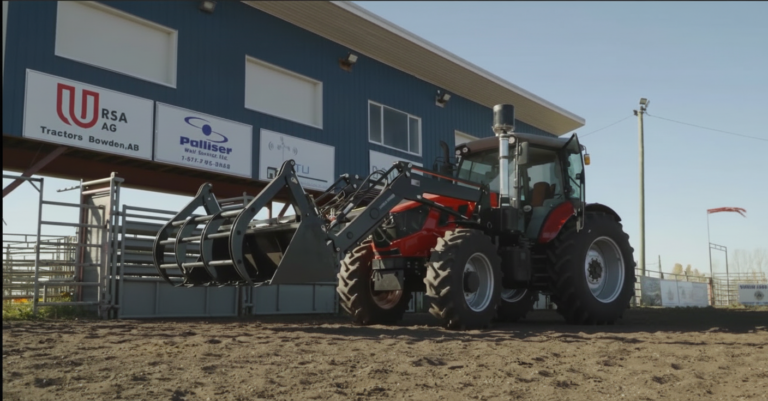
A Canadian tractor builder is drawing massive interest by offering repairable, low-tech machines as farmers struggle with soaring equipment costs, software lockouts, and growing dependence on corporate-controlled systems.
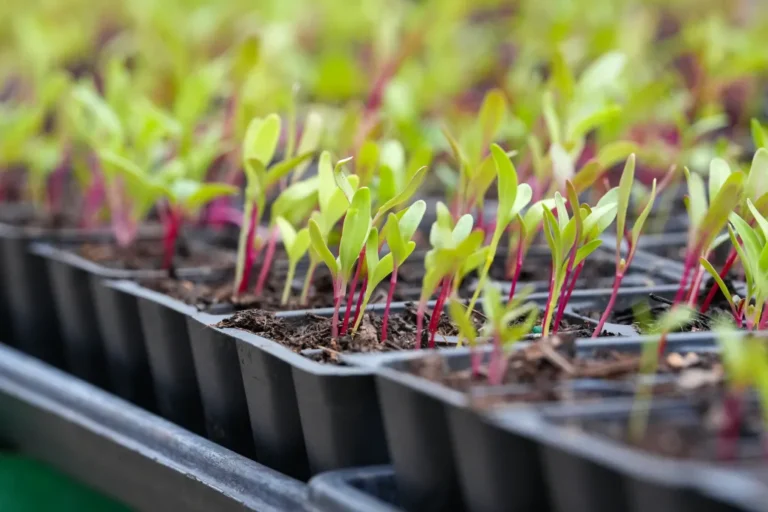
From indianapolis to anywhere, CSAs and urban growers close the gap between people and their food.