Fewer farms, more milk: U.S. dairy consolidation accelerates
New analysis projects fewer than 20,000 dairy farms by the end of the decade as economies of scale, technology, and vertical integration reshape the industry.
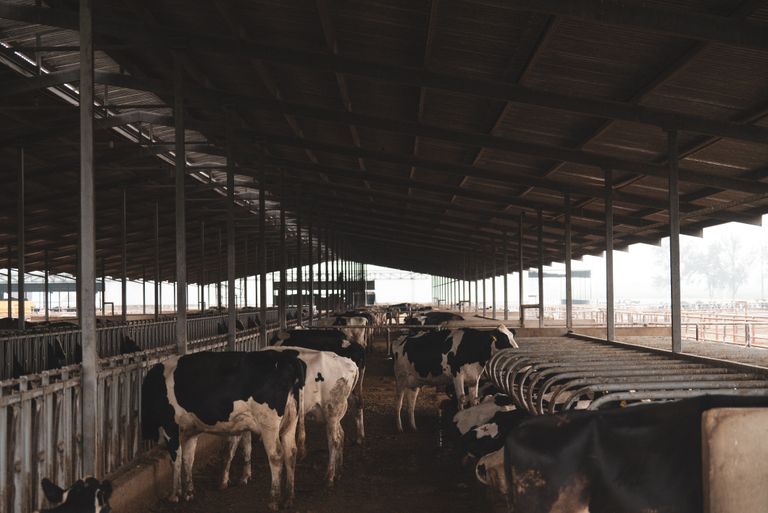
New analysis projects fewer than 20,000 dairy farms by the end of the decade as economies of scale, technology, and vertical integration reshape the industry.

Farmers and rural communities are weighing large land offers and potential tax revenue against concerns about farmland loss, utility demands and limited permanent employment.

Residents of “Parkinson’s Valley” say decades of herbicide exposure have devastated their farming community.
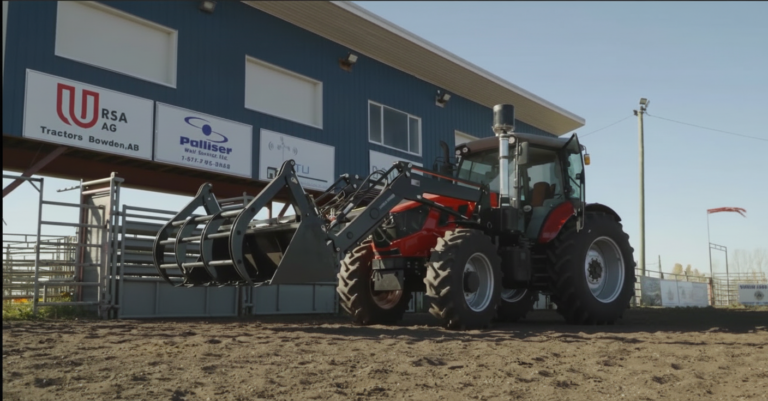
A Canadian tractor builder is drawing massive interest by offering repairable, low-tech machines as farmers struggle with soaring equipment costs, software lockouts, and growing dependence on corporate-controlled systems.
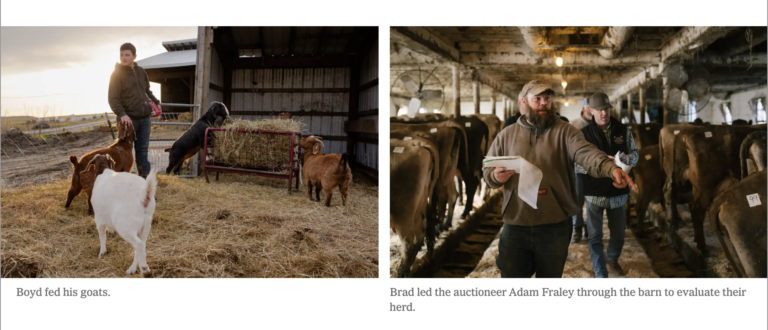
The New York Times profiles a Pennsylvania family preparing to sell their last herd of dairy cows.

Rising costs, labor shortages, and succession challenges are reshaping the future of family farms.
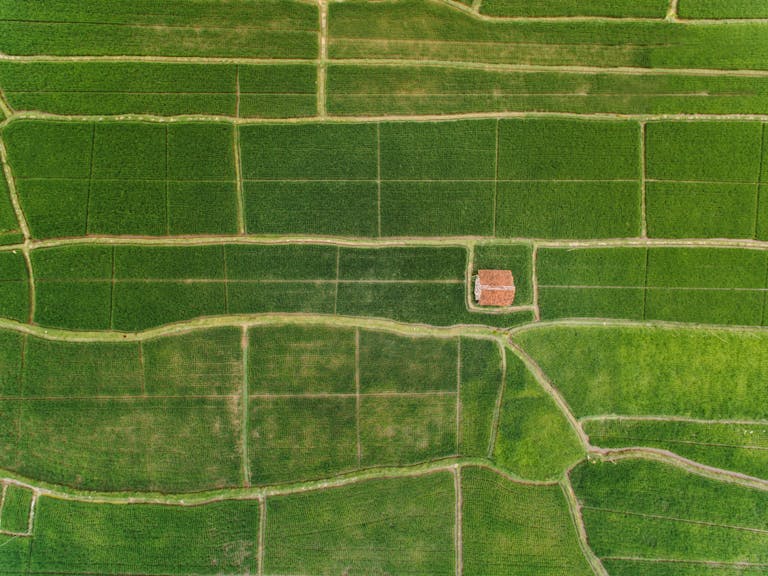
In a New York Times opinion essay, Brooks Lamb warns that hundreds of millions of acres of farmland will soon change hands — and argues that policies must help young farmers access land before consolidation accelerates.

New legislation would allow larger farm stores and expanded on-farm activities in an effort to help struggling farms diversify their income.
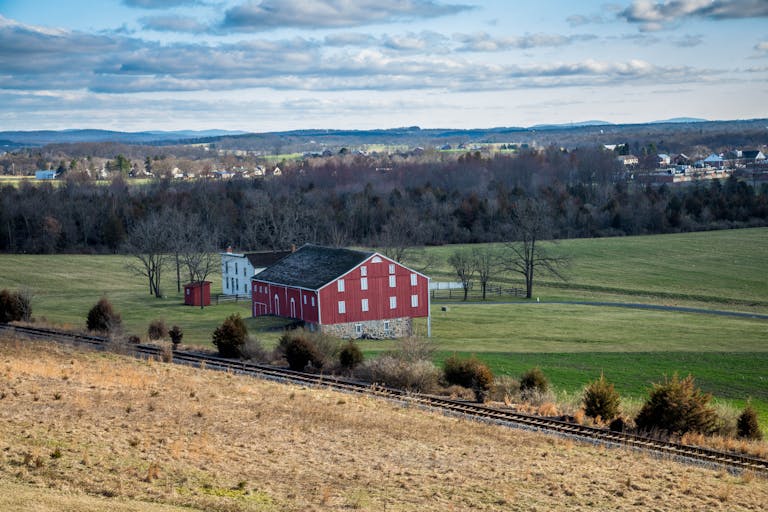
An opinion piece in Deseret Magazine argues that America is losing small family farms at a rapid pace as consolidation, rising costs, and subsidy structures increasingly favor large agribusiness over independent producers.

A quiet consolidation has reshaped American agriculture — leaving farmers with fewer choices, higher costs, and shrinking leverage.