States can take back control of the food system
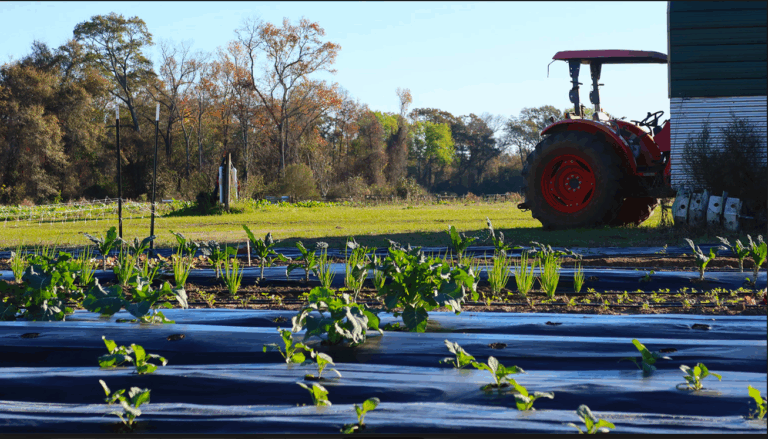
A new Farm Action handbook lays out how state-level advocates can curb corporate power, protect farmers, and rebuild resilient local food economies.
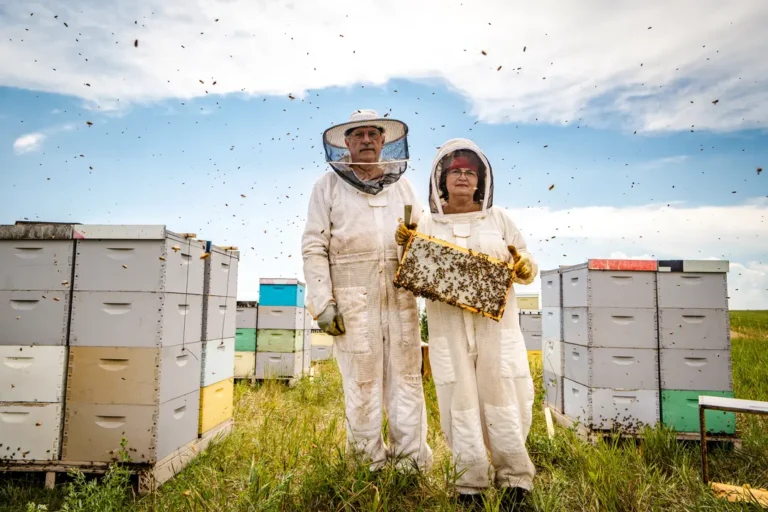
A record 60% of U.S. colonies collapsed in the past year as the deadly Varroa mite grows resistant to pesticides, threatening crops and livelihoods across the country.
An Iowa family is resisting the county’s attempt to change their land classification — and risk losing farmland they’ve held for years.
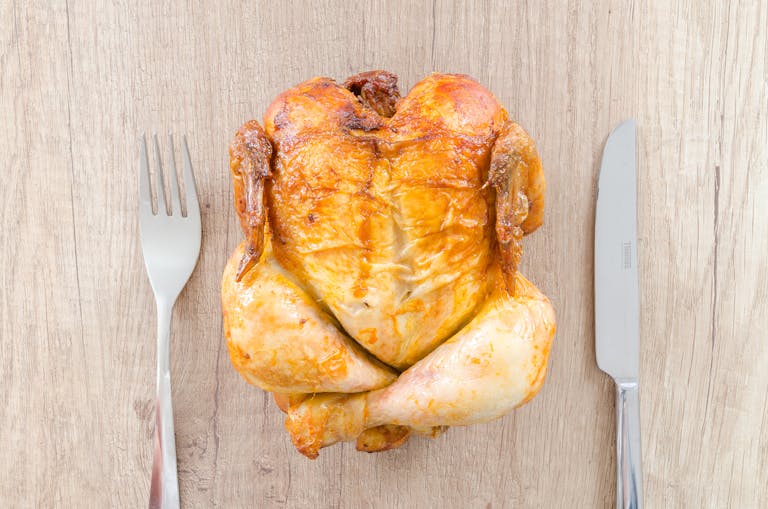
In a 2012 New York Times column, Nicholas Kristof revealed that factory-farmed poultry is on more meds than you are — raising serious questions about food safety and the true costs of cheap meat.
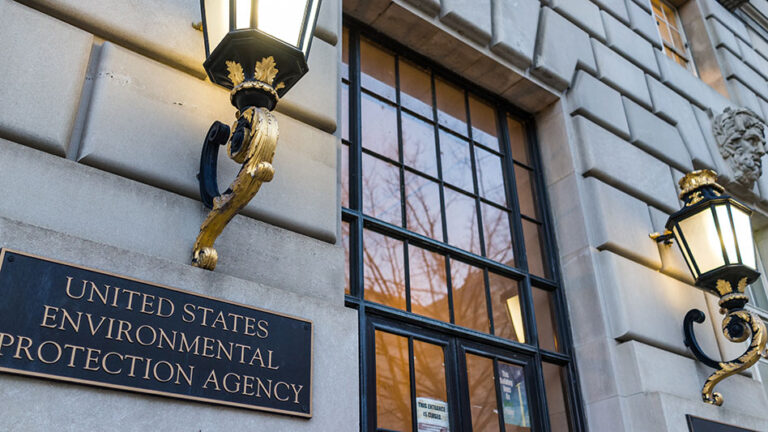
Sewage sludge, rebranded as “biosolids,” has been spread on more than 70 million acres of U.S. farmland, carrying toxic PFAS chemicals into soil, water, and food. After the EPA’s draft report confirmed PFAS are hazardous and likely carcinogenic, Section 507 appeared in both House and Senate appropriations bills to halt the report and block new…
Toxic biosolids are being sold as fertilizer, despite lurking chemical dangers that regulators have ignored.
Christine Lagarde claims climate change requires remaking Europe’s entire financial system — another step in using “green” narratives to centralize control.
From procurement power to chemical exposure and meat labeling, these are the structural changes Farm Action says the Commission can’t afford to ignore.
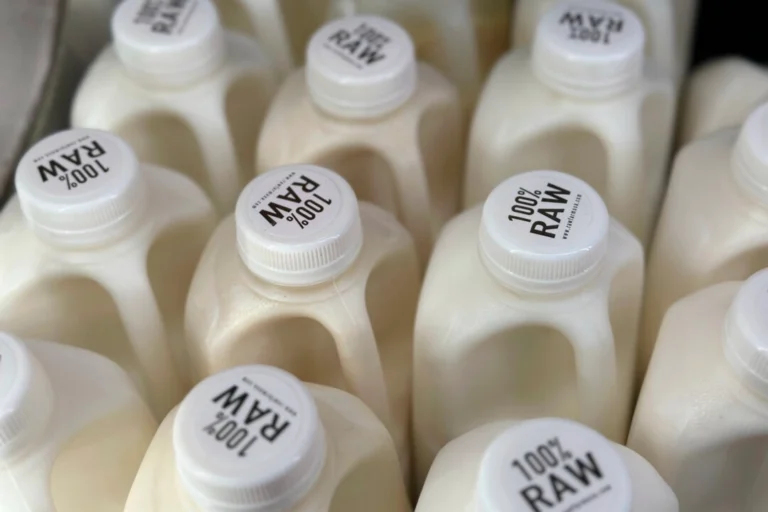
The story of raw milk exposes deeper truths about modern agriculture: centralized power, industrial regulation, and shrinking food choice.
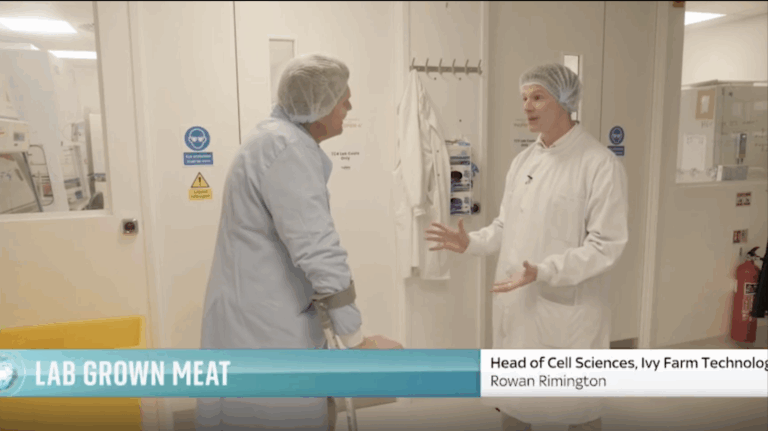
Corporate media have begun pitching synthetic “meat” as the future of food, in line with Net Zero goals.