How the war in Iran is squeezing America’s favorite fruit
Rising fuel and fertilizer costs are exposing the vulnerabilities of a global food supply chain built on cheap energy and razor-thin margins.
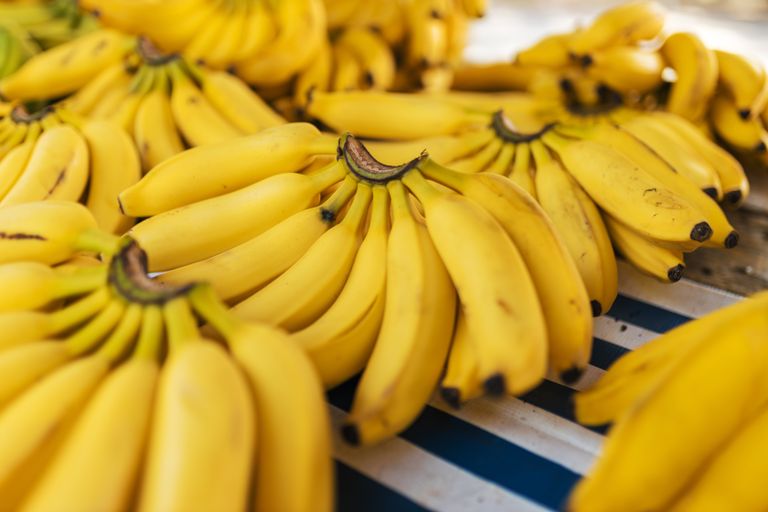
Rising fuel and fertilizer costs are exposing the vulnerabilities of a global food supply chain built on cheap energy and razor-thin margins.
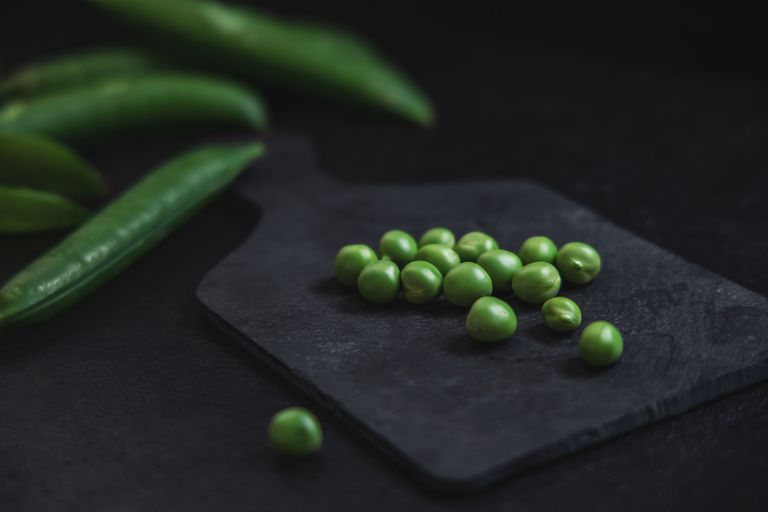
New research suggests that modern vegetables contain significantly fewer essential minerals than they did 60 years ago, raising questions about the nutritional consequences of modern agriculture.
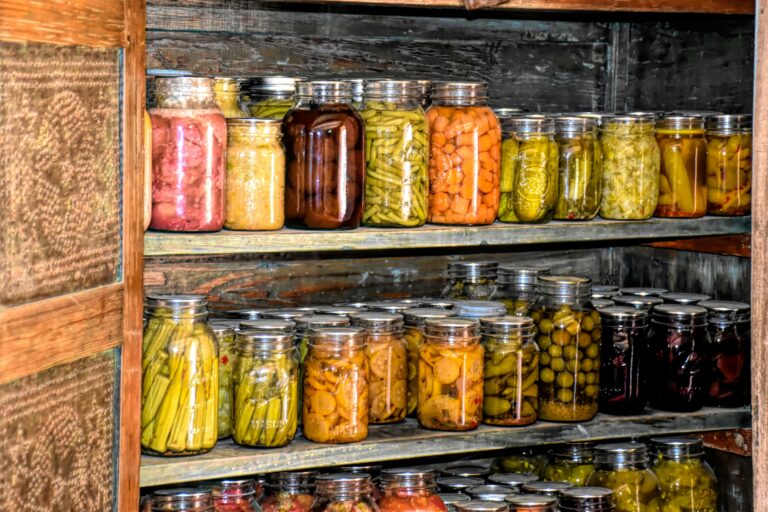
You don’t need a farm, a root cellar, or a shelf full of specialized equipment to start putting food away for later.
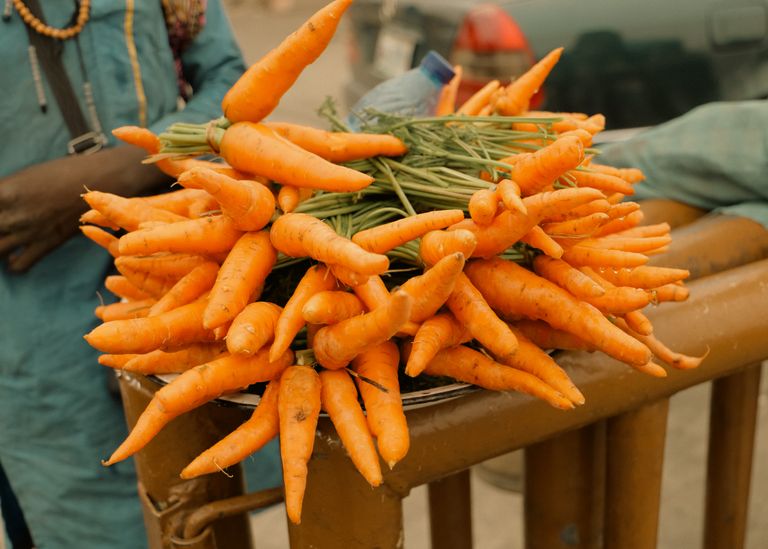
Research links regenerative farming practices to more nutrient-dense crops, but inconsistent findings, higher costs and the lack of clear standards leave major questions unresolved.
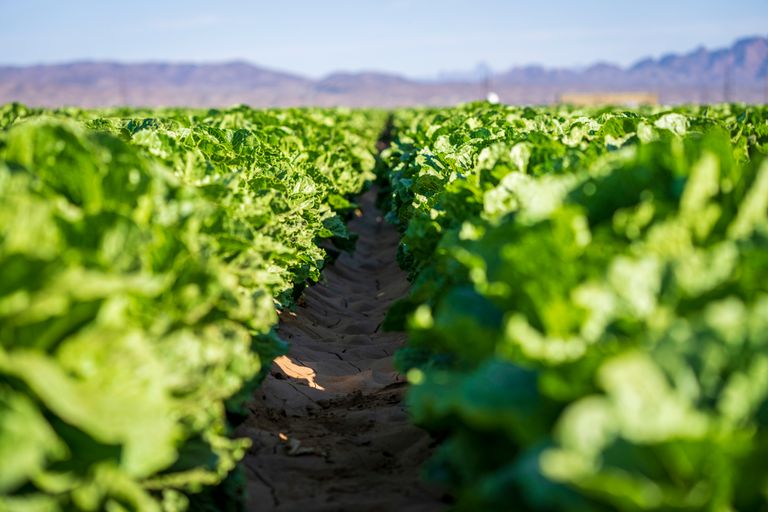
A Cyclospora outbreak exposes how four companies came to control more than half of America’s fresh-cut salad market.
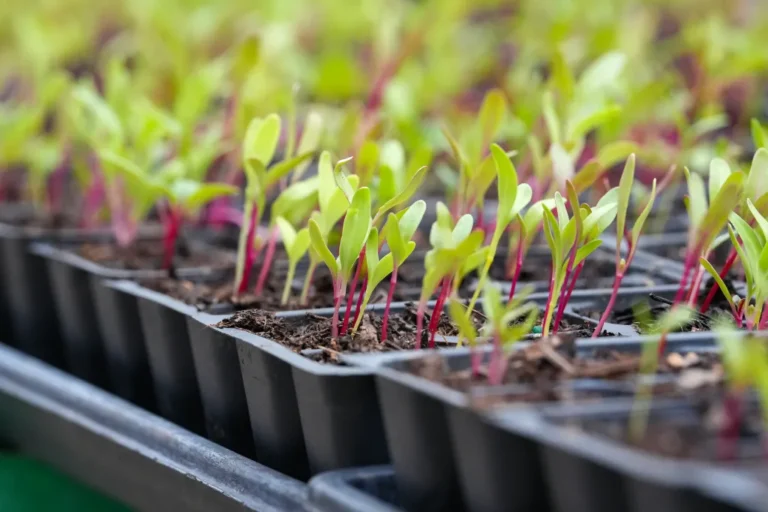
From indianapolis to anywhere, CSAs and urban growers close the gap between people and their food.
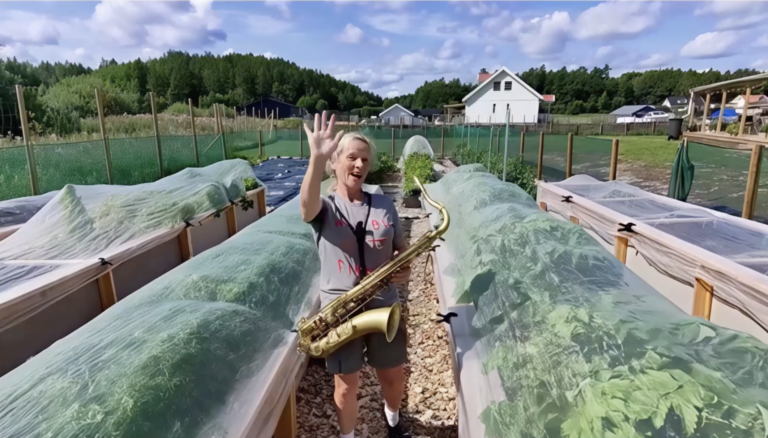
Meryl Nass and Beverly Johannson discuss why gardening is becoming less of a hobby — and more of a practical response to fragile supply chains, rising food costs, and growing anxiety about the future.
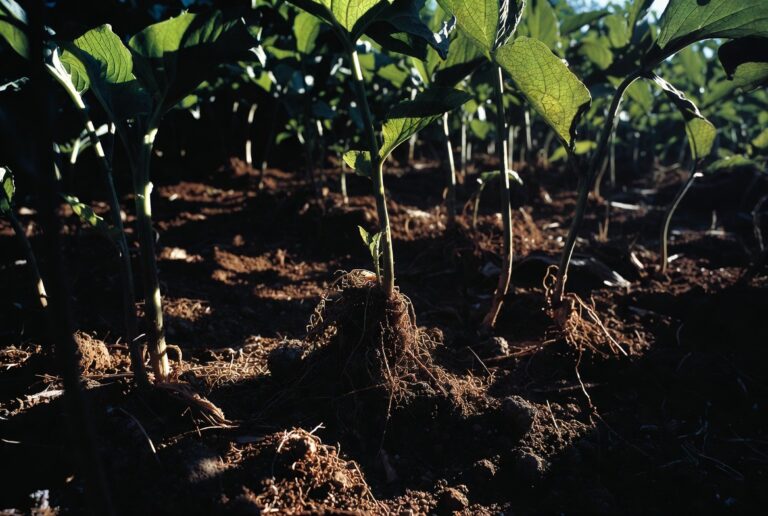
From soil tests to chemical inputs, modern gardening practices have replaced observation with control — but plants, insects, and weeds are still signaling what the land actually needs.
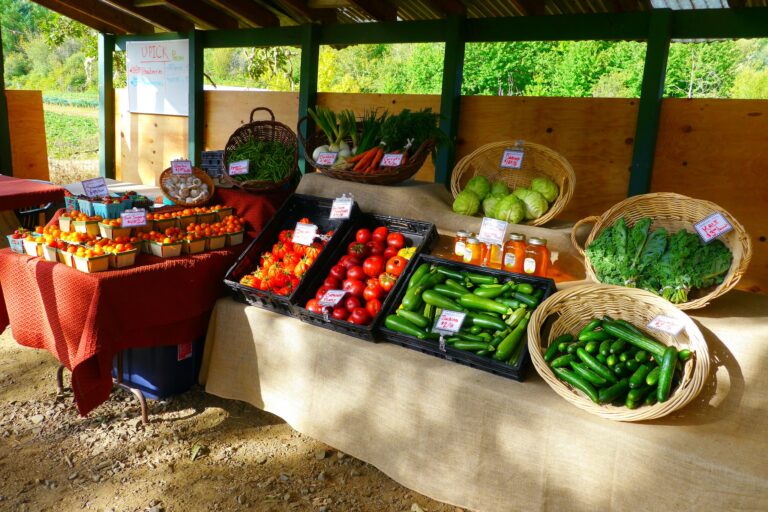
New legislation would allow larger farm stores and expanded on-farm activities in an effort to help struggling farms diversify their income.
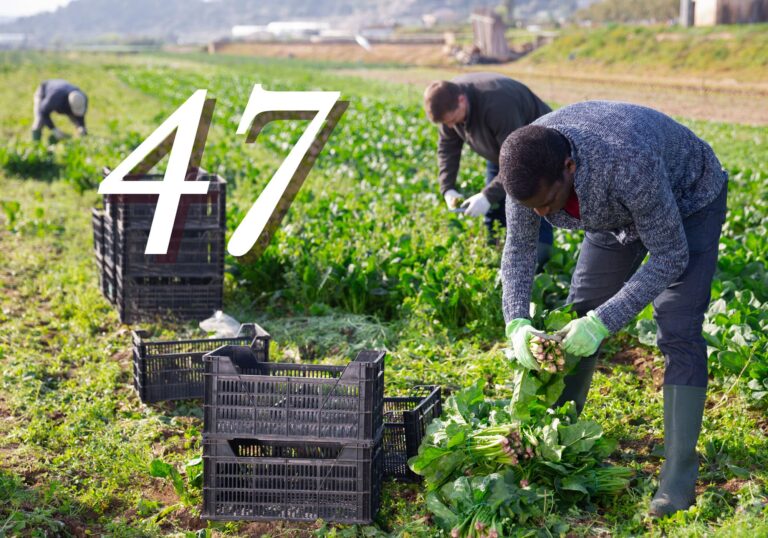
U.S. farmers have had to compete with Mexican-produced fruits and vegetables, despite farmworkers in Mexico earning only about $2/hour. There have been three decades with zero tariff price protection for fruit and vegetable farmers.