Maine builds mental health network for PFAS-affected farmers
Crisis-line training and peer mentoring will address the emotional toll of contaminated land, lost livelihoods and uncertain health risks.
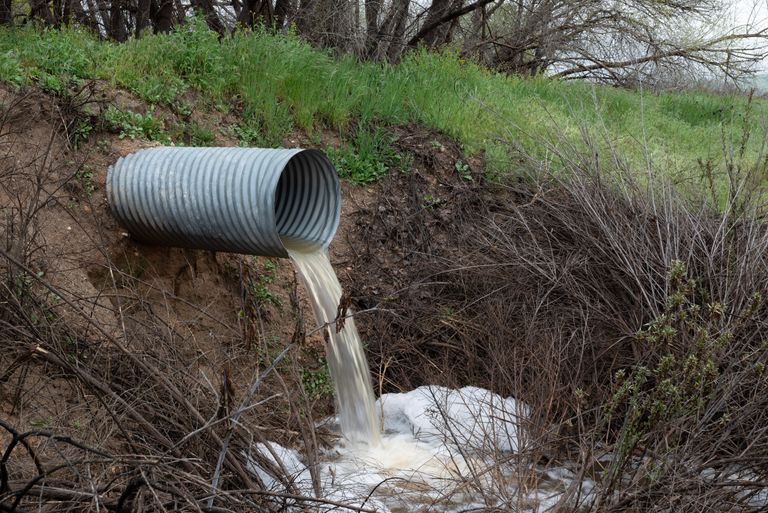
Crisis-line training and peer mentoring will address the emotional toll of contaminated land, lost livelihoods and uncertain health risks.

Farmers and rural communities are weighing large land offers and potential tax revenue against concerns about farmland loss, utility demands and limited permanent employment.
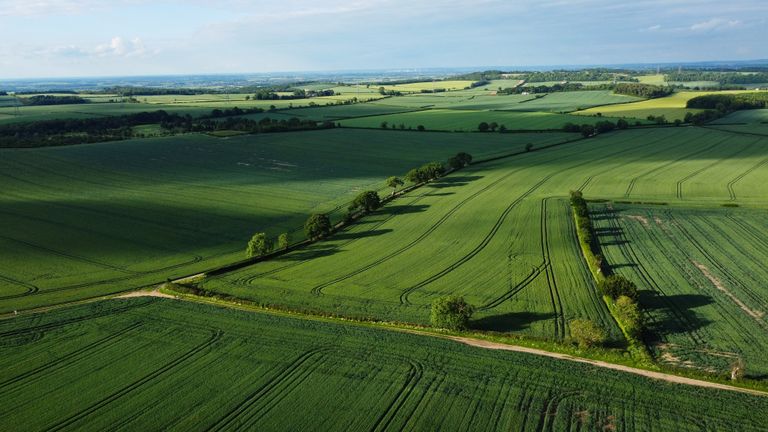
Repeated heatwaves, drought and flooding are cutting yields and forcing farms to find income beyond food production.
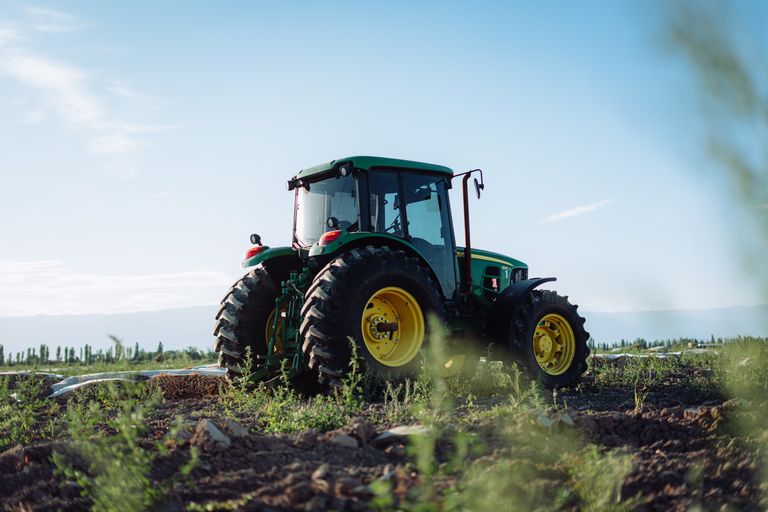
Public confidence remains unusually high, yet growing distance from agriculture leaves farming practices vulnerable to suspicion and misinformation.
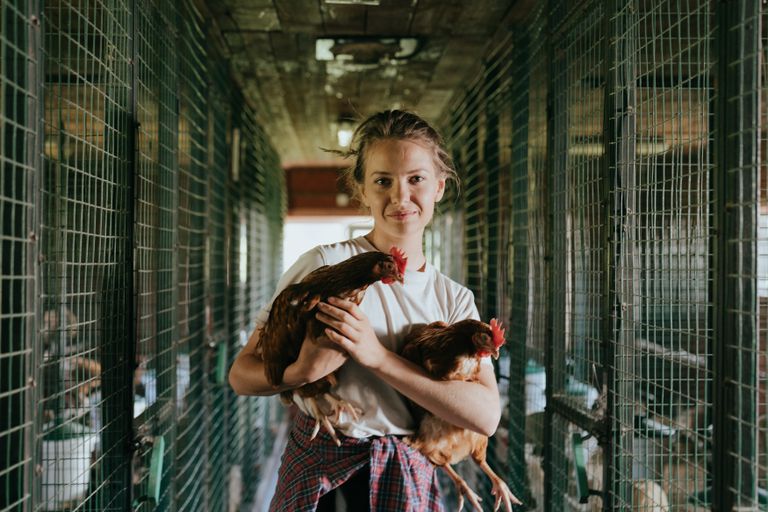
High land costs, rising inputs and weak pricing power force most new producers to rely on off-farm jobs.
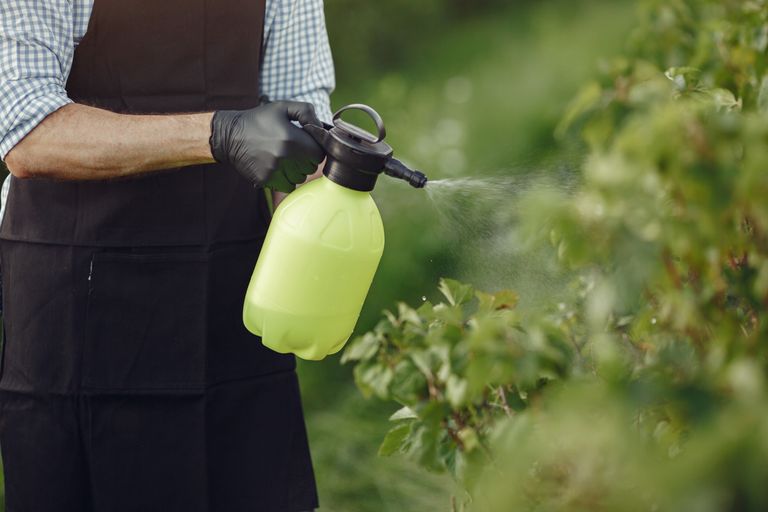
Residents of “Parkinson’s Valley” say decades of herbicide exposure have devastated their farming community.
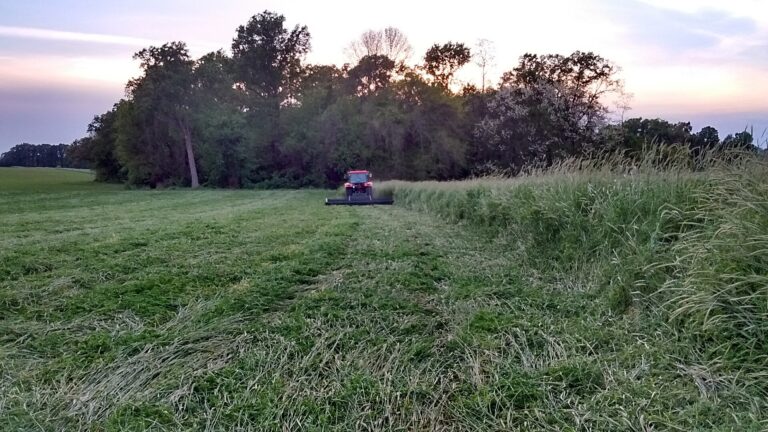
Rick Clark told Robert F. Kennedy Jr. that reducing synthetic inputs can improve farm profitability, but education, lending rules and crop insurance remain barriers to adoption.

Wade and Teresa King are fighting fines, lease termination, and a secret criminal investigation after cleaning long-used stock ponds on their ranch.

Producers in the Midwest are teaching each other how to improve soil health, cut costs, reduce erosion, and make farms more resilient — without waiting for top-down mandates.
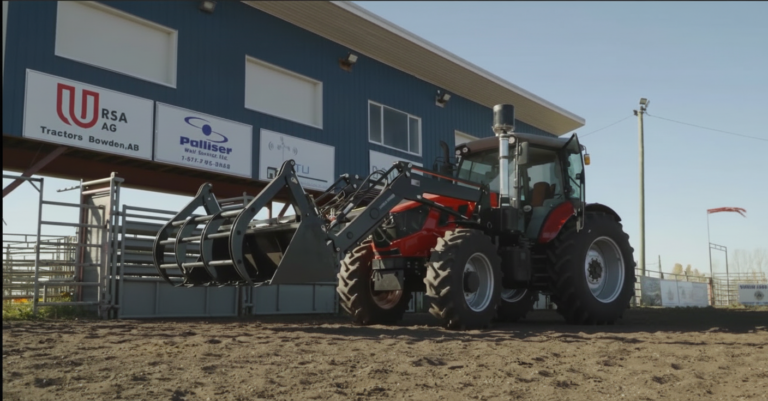
A Canadian tractor builder is drawing massive interest by offering repairable, low-tech machines as farmers struggle with soaring equipment costs, software lockouts, and growing dependence on corporate-controlled systems.