Regenerative Practices Cut Costs and Chemical Use, Indiana Farmer Says
By Jill Erzen, The Defender
Indiana farmer Rick Clark says regenerative agriculture has allowed his 6,500-acre crop and livestock operation to eliminate synthetic fertilizers and pesticides while saving roughly $2.4 million annually in input and fuel costs.
Speaking on The Secretary Kennedy Podcast, Clark argued that many U.S. farmers could reduce chemical inputs by 30 percent without hurting profitability. Although yields may decline during the transition, he said lower expenses can leave farmers financially better off and less exposed to weather-related losses.
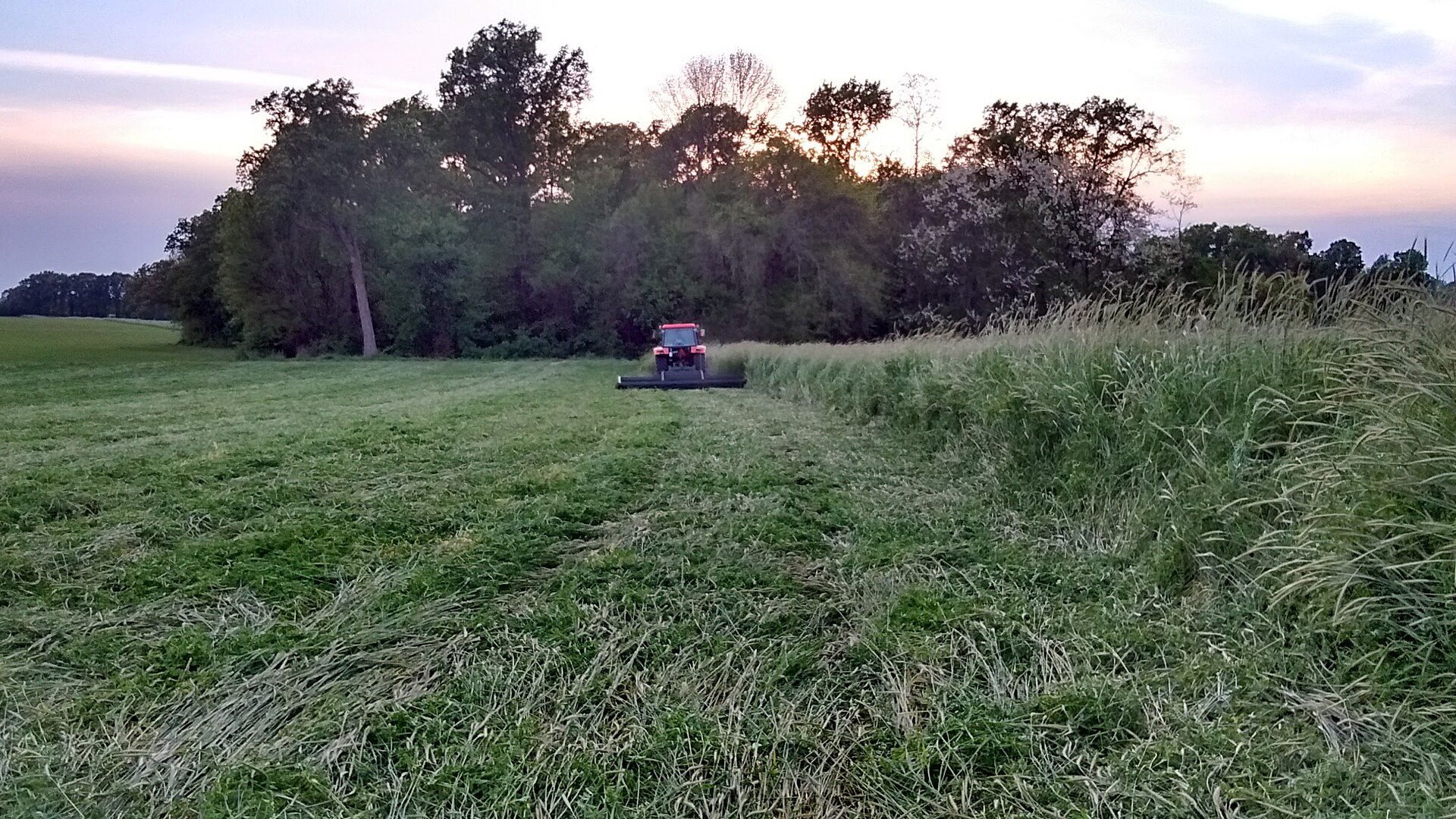
Clark began changing his practices after witnessing severe soil erosion. Over an 18-year transition, he adopted cover crops and roller crimping to suppress weeds, retain moisture and rebuild soil biology without herbicides or insecticides. He said healthier soils also resist drought and erosion while reducing chemical exposure for farmworkers and families.
Clark identified education as the greatest obstacle to wider adoption, alongside crop insurance requirements, lending practices and an agricultural system built around purchased inputs. He cautioned against treating regenerative agriculture as an all-or-nothing proposition, arguing that converting even a portion of U.S. farmland could produce significant economic and environmental benefits.
The remarks come amid conflicting federal signals. The USDA launched a $700 million regenerative agriculture pilot program in December 2025, but the Trump administration has also moved to expand glyphosate production. Clark nevertheless said farmers who adopt regenerative methods rarely regret the transition.