Ethical eating for real life: small steps that fit your budget
By Helen Freeman, author of Me, My Pigs and I on Substack
Conversations about “ethical eating” often overlook the reality most households face, says Freeman: food choices are shaped by money, time, access, and energy. Instead of treating food ethics as a moral test, she suggests starting with those constraints. For many people, that simply means focusing on staying fed and avoiding guilt about supply chains or systems they did not create.
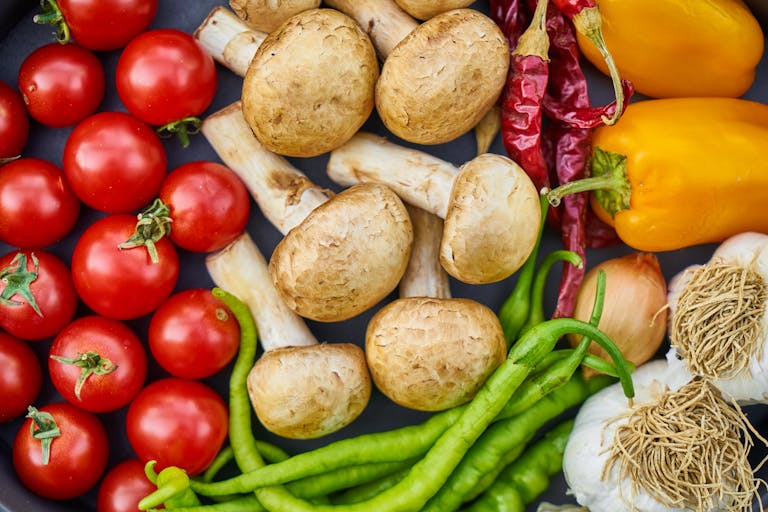
Freeman recommends a practical approach built around small, manageable shifts rather than sweeping lifestyle changes. That could mean cooking one extra meal from scratch each week, choosing seasonal vegetables when they’re cheapest, or stretching meals with beans, eggs, or cheaper cuts of meat.
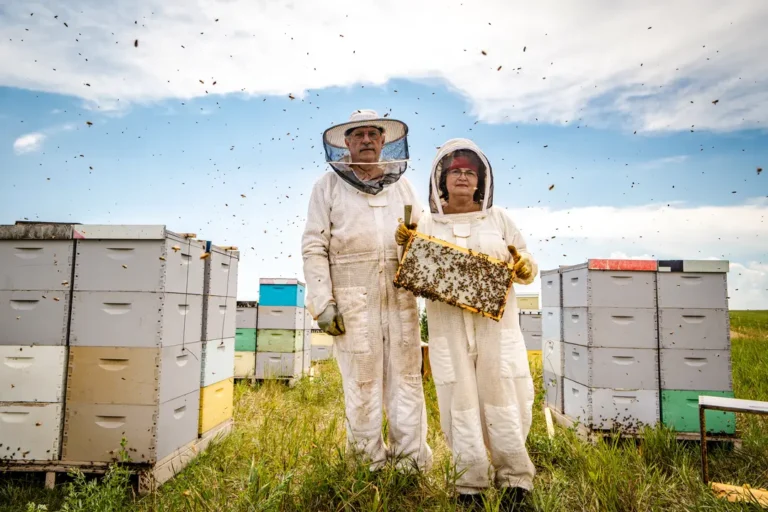
If possible, she suggests occasionally buying a single item directly from a local producer — such as eggs or ground meat — but emphasizes that these choices should be gradual and realistic rather than an all-or-nothing commitment.
Her broader message is that ethical food choices work best when they are repeatable. Buying local food occasionally, eating less but better meat when possible, and reducing spending on expensive processed snacks or takeaways can all move the needle without requiring a complete overhaul of household habits. Freeman argues that meaningful change comes not from perfect shopping lists but from small decisions that people can sustain over time.
Practical takeaways
• Start with your constraints — budget and time come first.
• Cook one additional meal from scratch each week if possible.
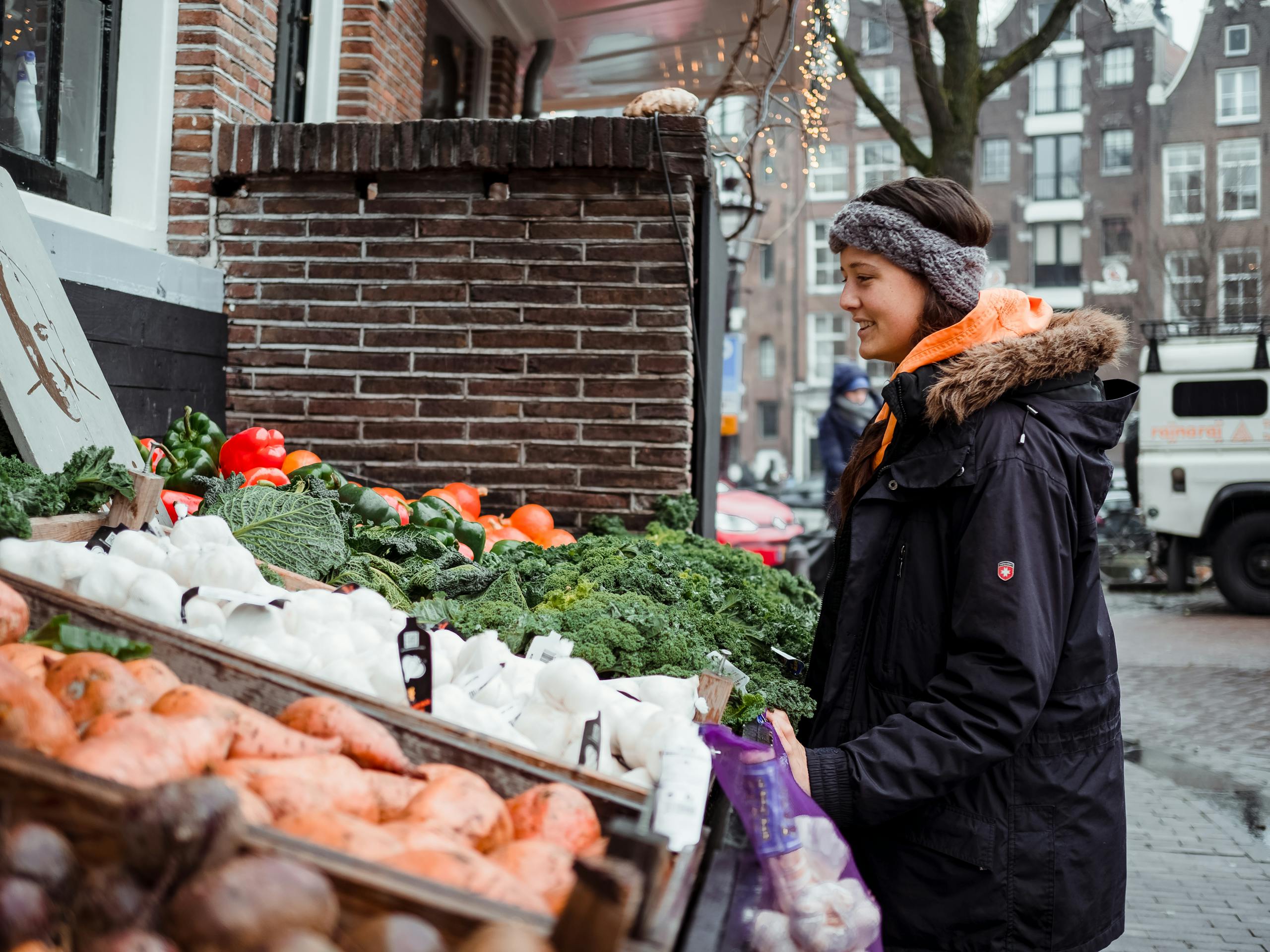
• Choose seasonal produce when it’s cheapest.
• Stretch meals with beans, lentils, eggs, or cheaper cuts of meat.
• Reduce spending on ultra-processed snacks or frequent takeaways.
• If possible, buy one item occasionally from a local producer.
Freeman’s core idea is simple: aim for progress, not perfection. Small, repeatable changes in how people buy and cook food can gradually support better farming systems while still working within the realities of everyday life.
Read more: https://www.memypigsandi.com/p/youre-not-failing-at-food-ethics