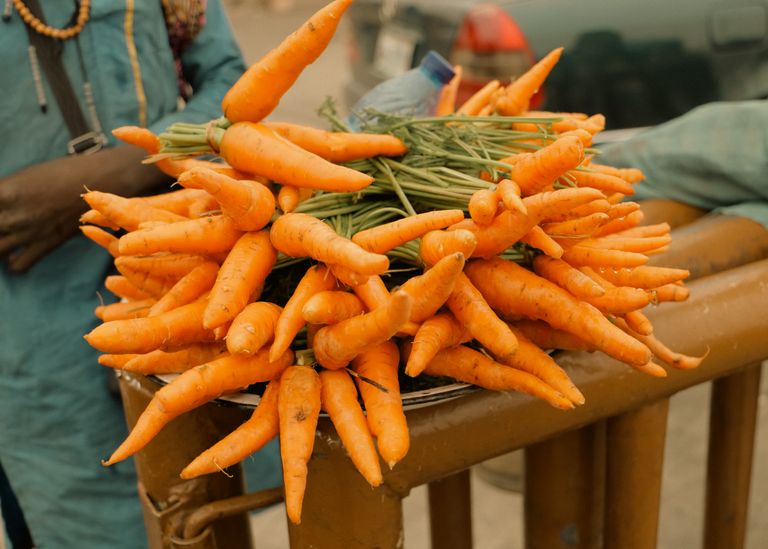
Can healthier soil restore nutrients in our food?
Research links regenerative farming practices to more nutrient-dense crops, but inconsistent findings, higher costs and the lack of clear standards leave major questions unresolved.
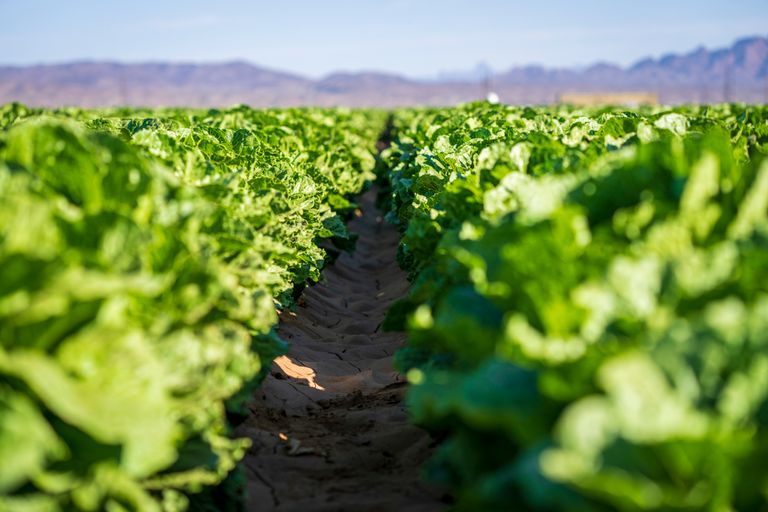
A Cyclospora outbreak exposes how four companies came to control more than half of America’s fresh-cut salad market.
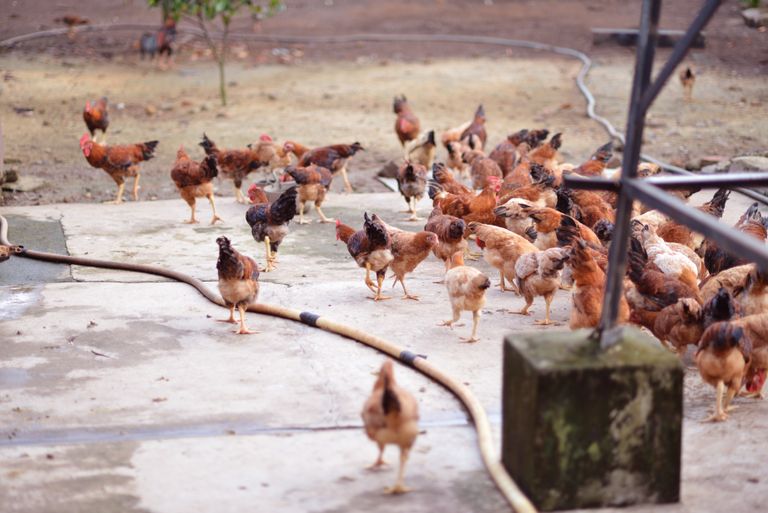
Four companies control 58% of the poultry industry, giving them the money and access to weaken protections for the farmers who depend on them.
Opposition to the Save Our Bacon Act is spreading beyond animal-welfare groups, with voters in a major pork-producing state and more than 720 veterinarians urging Congress to preserve state protections.
Public confidence remains unusually high, yet growing distance from agriculture leaves farming practices vulnerable to suspicion and misinformation.
By Hope Kirwan, Harvest Public Media Corn and soybean farmers have faced negative profit margins for two years, with fertilizer, fuel and borrowing costs expected to climb further in 2026. Economists say today’s downturn differs from the 1980s because farms carry less debt and have access to crop insurance, safety-net programs and billions in emergency federal…
High land costs, rising inputs and weak pricing power force most new producers to rely on off-farm jobs.
Residents of “Parkinson’s Valley” say decades of herbicide exposure have devastated their farming community.
Rick Clark told Robert F. Kennedy Jr. that reducing synthetic inputs can improve farm profitability, but education, lending rules and crop insurance remain barriers to adoption.
Meryl Nass says the veto of HB 396, combined with federal rollbacks and the removal of the PRIME Act from the Senate Farm Bill, favors large meat processors over independent farmers and consumers.