Farm Action: federal food purchasing should support local farmers
Farm Action argues that billions in government food purchases should be redirected toward independent and regional producers.
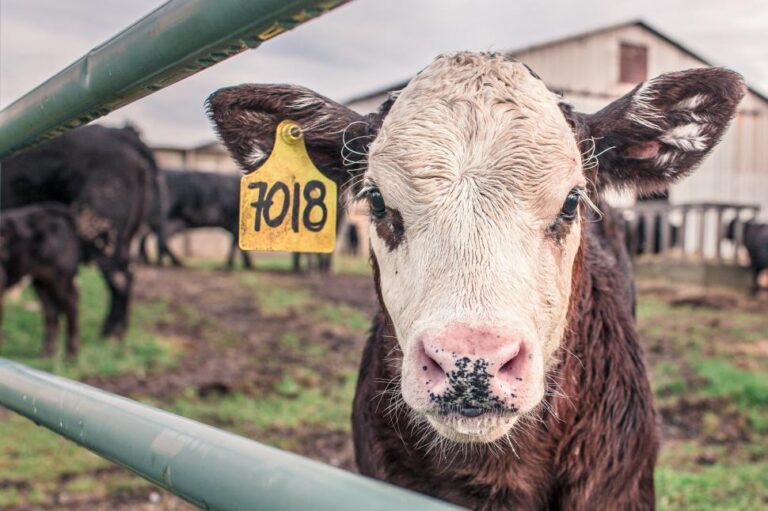
An undercover video at CattleCon 2026 highlights what many ranchers have warned for years: four corporations dominate U.S. beef processing — and independent producers are paying the price.
A quiet consolidation has reshaped American agriculture — leaving farmers with fewer choices, higher costs, and shrinking leverage.
A Civil Eats report describes an Oregon event series that is trying to rebuild local seafood economies by connecting consumers directly with fishers, processors, and coastal food businesses.
The high-profile global panel that pushed a plant-forward “planetary health diet” and sweeping food system reforms has shut down, reigniting debate over who should shape the future of agriculture and what ends up on our plates.
Trump’s use of the Defense Production Act to boost glyphosate production reframes a lawsuit-plagued chemical as essential to national security while Bayer faces billions in legal risk.
New draft legislation is drawing criticism for preserving corporate advantages in agriculture while weakening state-level protections and shielding pesticide makers from liability.
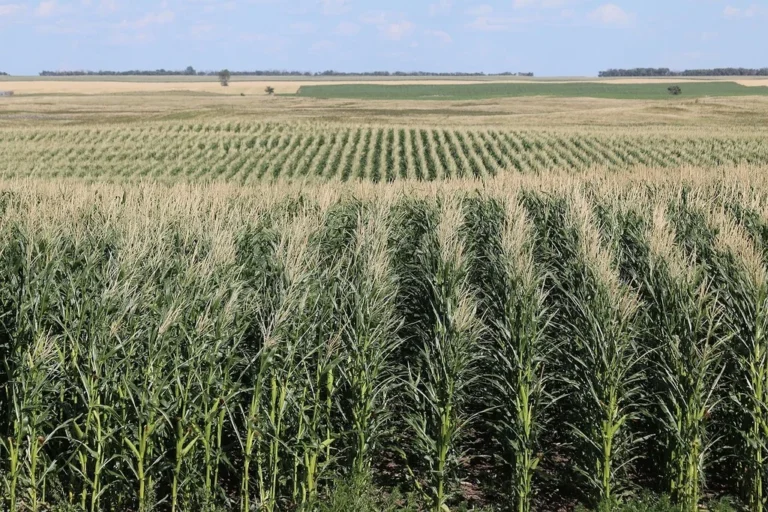
With grain prices depressed and costs high, U.S. growers see planting lots of corn as their best shot at breaking even in 2026.
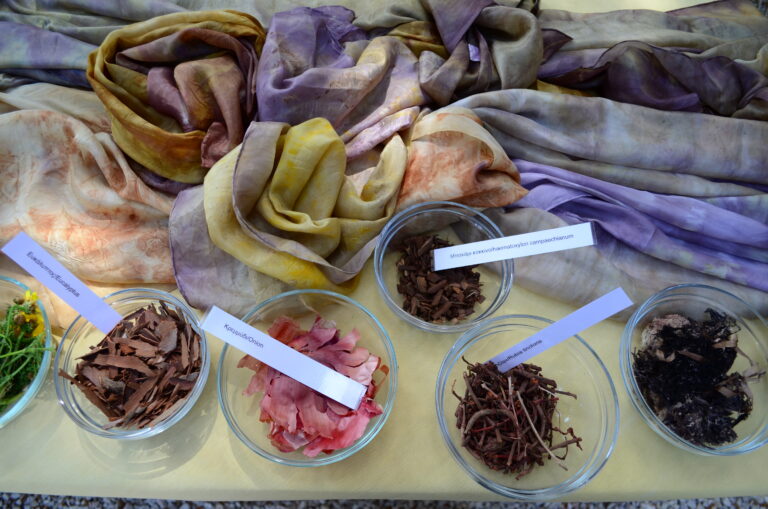
Agency lets products with plant-derived colorants claim “no artificial colors,” drawing praise from officials and pushback from consumer advocates.
The controversial weedkiller — long blamed for off-target crop injury — will be allowed again on soy and cotton, drawing fire from farmers and environmental advocates.