Small farmers may get relief from federal bottlenecks in meat processing
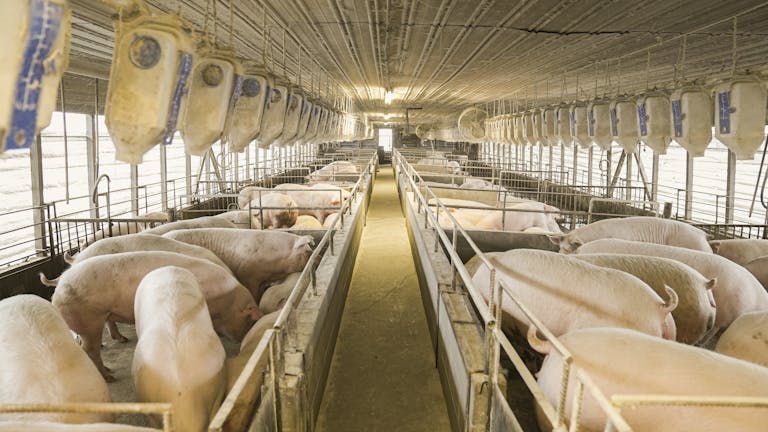
A provision in the 2026 Farm Bill would allow local slaughterhouses to operate under state inspection — opening the door to direct-to-consumer sales.
Rising costs, trade pressures, and consolidation leave fewer small farms able to pass to the next generation.
Zach Lahn says as large agribusiness firms consolidate power, farmers report fewer choices, higher costs, and growing pressure on rural communities.
As fertilizer prices spike and supplies tighten, farmers face a season defined by risk.
Regenerative farmer Zach Lahn warns that extreme consolidation has concentrated control of the food system in just a few companies.
From failed startups to stalled mega-projects, the global push to industrialize insect protein is losing momentum.
In a New York Times opinion essay, Brooks Lamb warns that hundreds of millions of acres of farmland will soon change hands — and argues that policies must help young farmers access land before consolidation accelerates.
On Substack, Helen Freeman argues that ethical eating isn’t about perfection or lifestyle branding — it’s about making small, repeatable choices that work within real constraints.
New legislation would allow larger farm stores and expanded on-farm activities in an effort to help struggling farms diversify their income.
In CleanTechnica, Carolyn Fortuna argues that rebuilding local food systems and supporting small farmers are key steps toward replacing industrial agriculture with more resilient and sustainable farming.