States can take back control of the food system
A new Farm Action handbook lays out how state-level advocates can curb corporate power, protect farmers, and rebuild resilient local food economies.

Monsanto, DuPont, and Syngenta dominate global seed sales through acquisitions and cross-licensing — shrinking seed diversity and farmer autonomy.
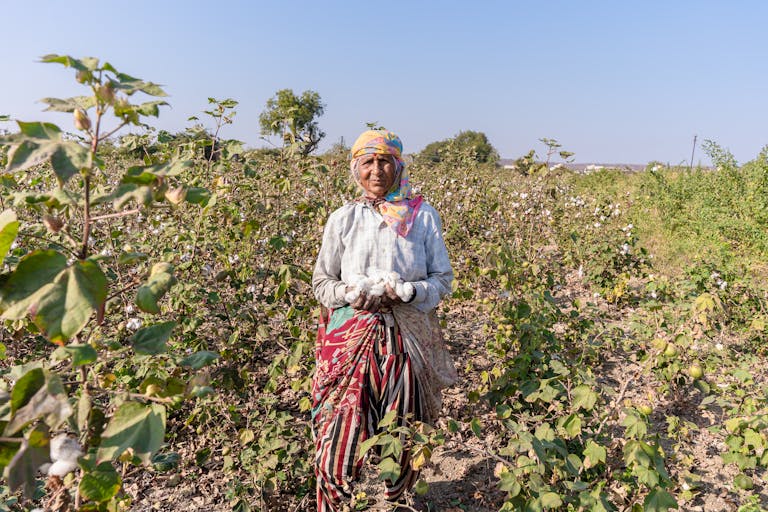
Decades of hype, soaring input costs, and pest resistance have left many Indian cotton growers worse off — a cautionary tale for GMO proponents everywhere.
Officials claimed the mass slaughter of 120,000 animals was to stop H5N1, yet questions linger about fur industry rivalries, government overreach, and even vaccine trials on mink farmers.
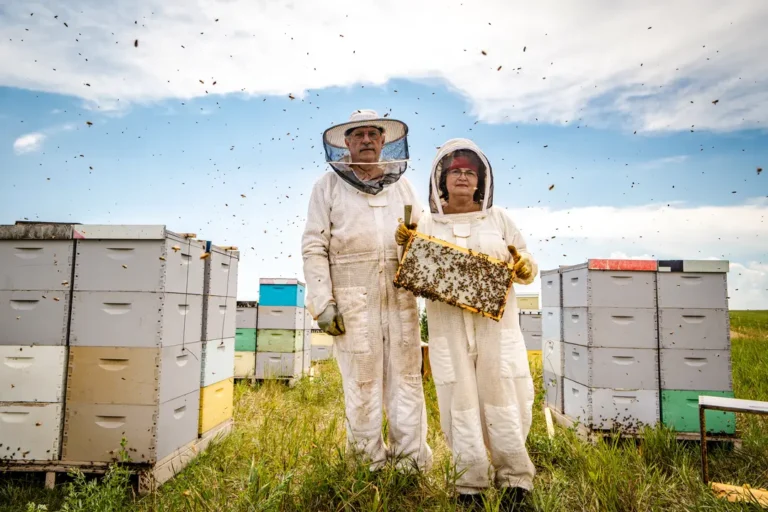
A record 60% of U.S. colonies collapsed in the past year as the deadly Varroa mite grows resistant to pesticides, threatening crops and livelihoods across the country.
An Iowa family is resisting the county’s attempt to change their land classification — and risk losing farmland they’ve held for years.
A Door to Freedom Coalition white paper outlines five urgent reforms for USDA, HHS, and EPA — from stopping mandatory electronic ear tags to closing pesticide loopholes — to support rural prosperity and protect public health. Revoking and Clarifying Rules to Help Small Farms and Ranches and Improve Rural Prosperity Door to Freedom Coalition …
In a 2012 New York Times column, Nicholas Kristof revealed that factory-farmed poultry is on more meds than you are — raising serious questions about food safety and the true costs of cheap meat.
Sewage sludge, rebranded as “biosolids,” has been spread on more than 70 million acres of U.S. farmland, carrying toxic PFAS chemicals into soil, water, and food. After the EPA’s draft report confirmed PFAS are hazardous and likely carcinogenic, Section 507 appeared in both House and Senate appropriations bills to halt the report and block new…
A quiet provision in the Interior Appropriations Bill would block courts and regulators from acting on new evidence of harm, protecting chemical companies at the expense of public health.