Food system concentration: a handful of corporations dominate U.S. agriculture
Farm Action’s Angela Huffman says decades of consolidation have left most of the U.S. food supply chain controlled by just a few corporations.
Farm Action argues that billions in government food purchases should be redirected toward independent and regional producers.
New draft legislation is drawing criticism for preserving corporate advantages in agriculture while weakening state-level protections and shielding pesticide makers from liability.
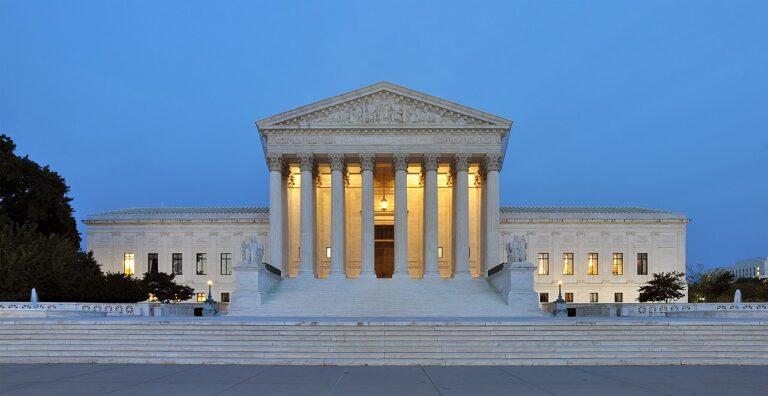
The Supreme Court has agreed to hear Monsanto v. Durnell, a case that could wipe out pending and future lawsuits over glyphosate — even without granting the chemical industry a blanket immunity from liability.
This week, the House is set to vote on the Interior–Environment Appropriations bill — without Section 453, the provision that would have made updating pesticide labels significantly more difficult.
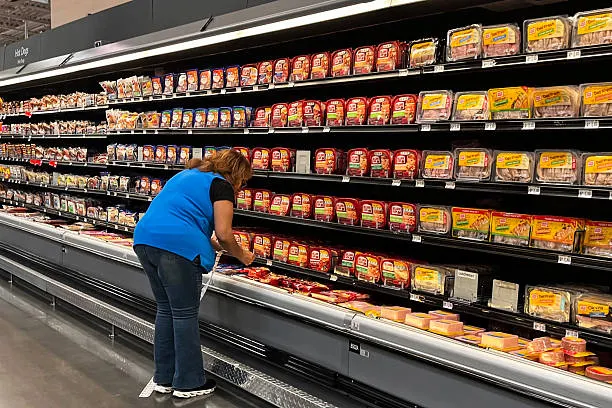
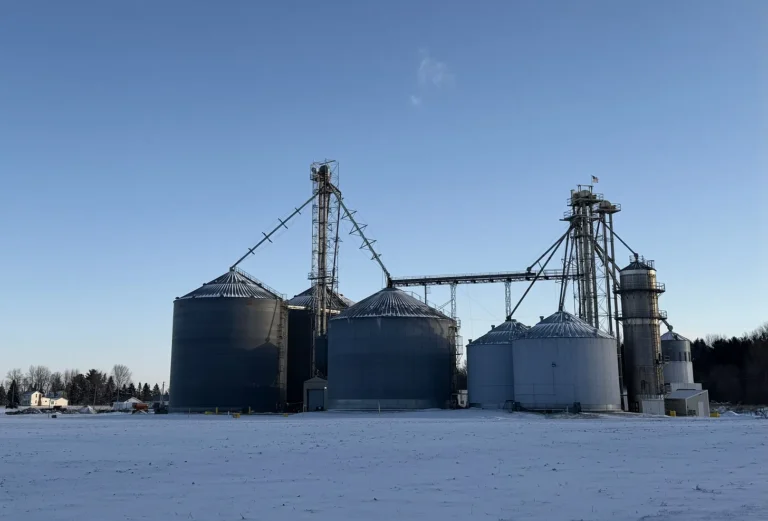
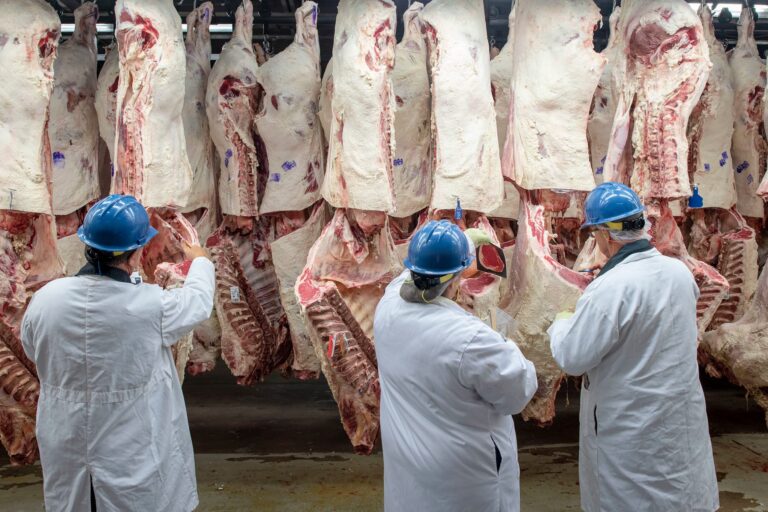
Hidden behind the illusion of choice at the grocery store is a highly consolidated system in which a handful of corporations control the animals, the farmers, the processing, and ultimately the price of the food on your plate.
Emergency aid is keeping farms afloat, but only structural policy reform will allow farmers to earn a living.
The crisis isn’t a lack of subsidies, but a food system clogged by consolidation and regulatory bottlenecks.
USDA launches “Make Agriculture Great Again” agenda with bold policies to protect, finance, and sustain small and mid-sized farms for future generations.
A new Farm Action handbook lays out how state-level advocates can curb corporate power, protect farmers, and rebuild resilient local food economies.