The resilience hiding in your backyard
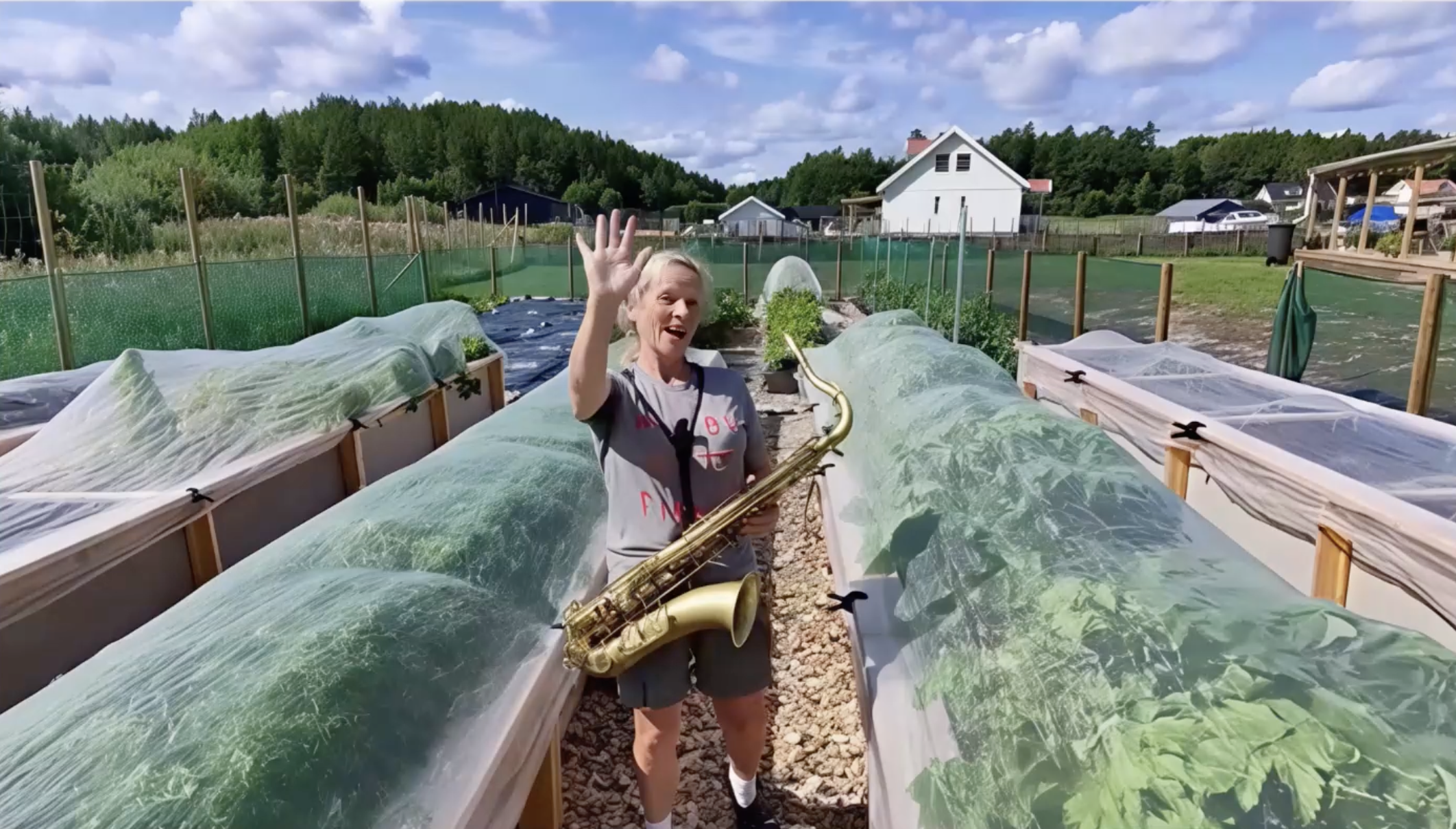
In this episode from CHD-TV, Dr. Meryl Nass speaks with Swedish gardener Beverly Johannson about the surprisingly transformative power of growing your own food — even on a small scale. Framed against rising fertilizer and transportation costs, geopolitical instability, and fears of future food inflation, the discussion argues that home gardening is no longer just a lifestyle choice, but a practical hedge against increasingly fragile systems.
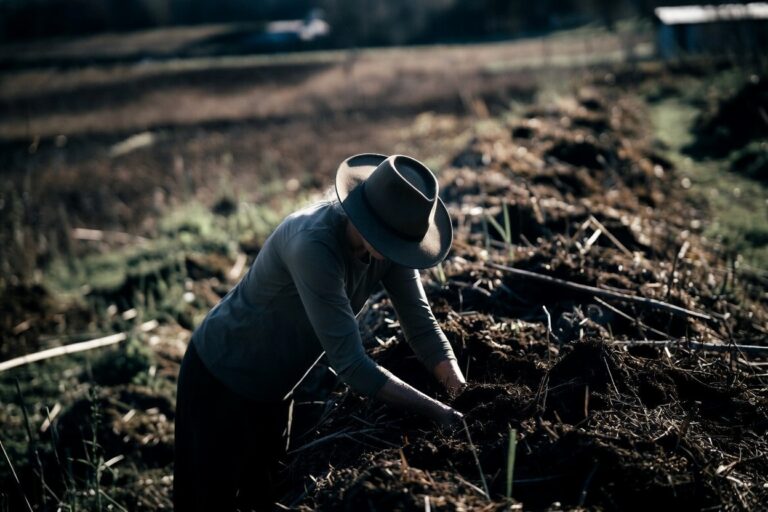
Johannson, who began gardening only after retirement, explains how she adopted the “no dig” method — layering cardboard and compost directly onto existing ground to build healthy soil without tilling. The approach, she says, preserves soil biology, reduces weeds, and makes gardening accessible even for beginners with limited time or physical ability.
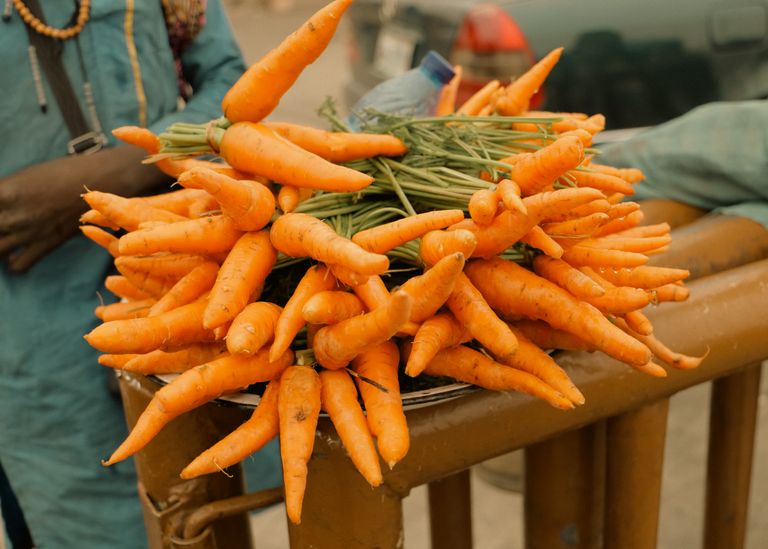
The conversation moves beyond hobby gardening into resilience planning: which crops provide calories and storage through winter, which vegetables offer long-term nutritional value, and how even people without land can participate through patios, buckets, microgreens, or community growing projects. Potatoes, beans, squash, onions, kale, and carrots emerge as staples not because they are trendy, but because they store well and sustain people through uncertainty.
But beneath the practical advice is a deeper theme: gardening as a psychological antidote to helplessness. Both Nass and Johannson describe the emotional benefits of working with soil, watching plants grow, and reclaiming a sense of agency in an unstable world. In an era defined by anxiety and dependency, the garden becomes more than food production — it becomes a way to restore competence, calm, and connection to something real.
Related links
No Dig Gardening — Beverly Johannson
No-Dig Urban Gardening
Beginner’s Guide
The Ultimate Guide to Composting
Seed Saving Guide
No dig, using less compost to grow great plants and have clean soil
Step-by-Step Guide with Cardboard and Compost