The farm bill fight isn’t over
By Dr. Meryl Nass
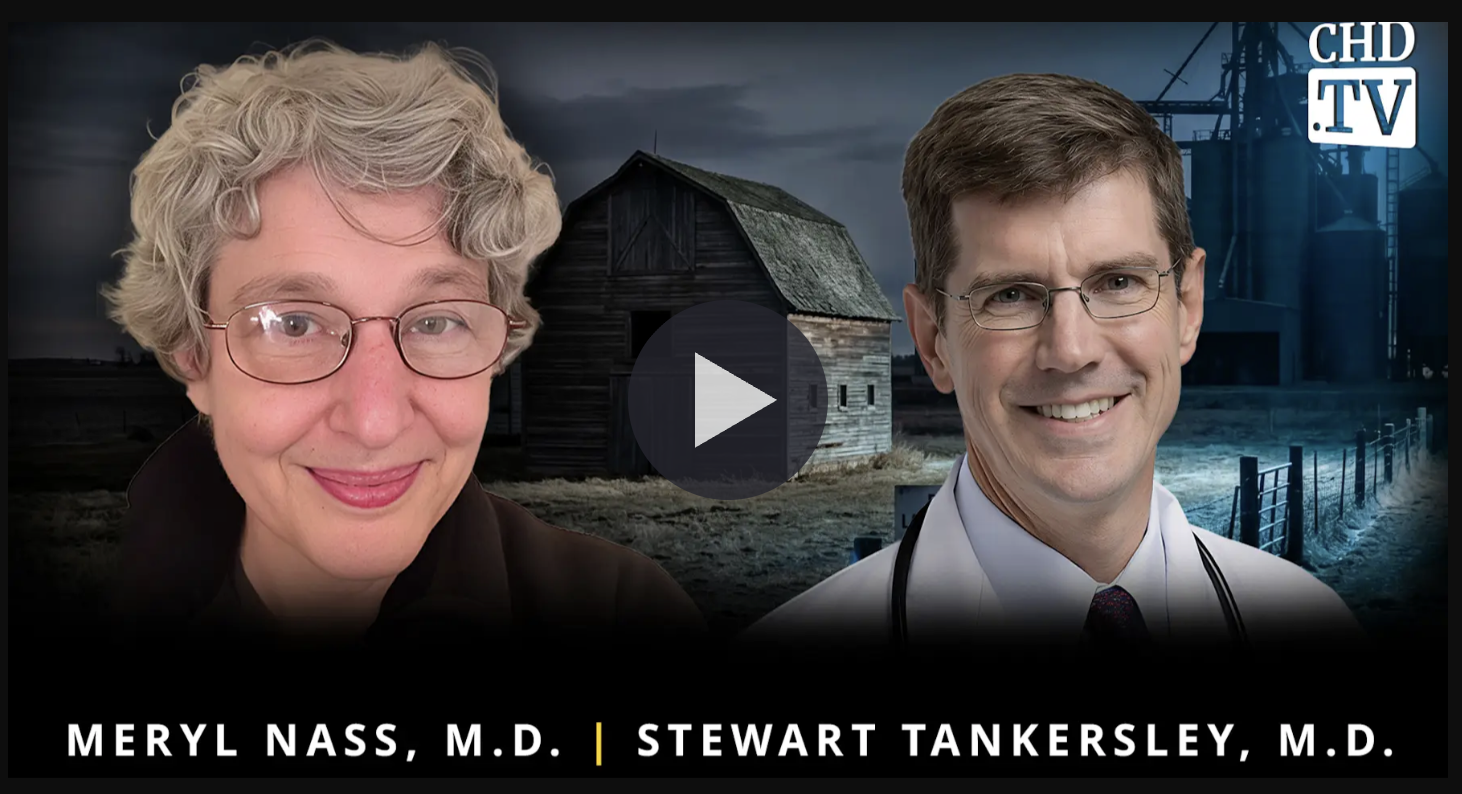
In a wide-ranging discussion on CHD-TV, Dr. Meryl Nass and Dr. Stewart Tankersley break down what quietly made its way into the latest House farm bill — and what was stopped, at least for now.
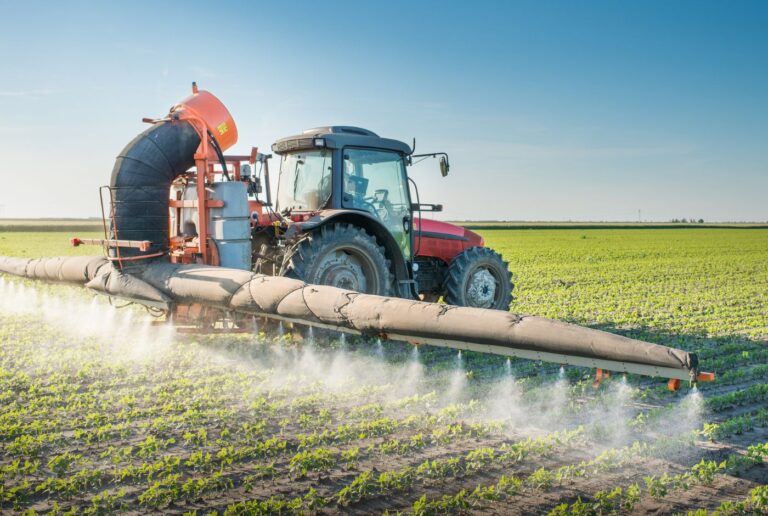
They argue the bill largely preserves a subsidy system that rewards massive corn and soy monocultures feeding the ultra-processed food economy, while shielding pesticide manufacturers like Bayer from deeper scrutiny over glyphosate and other chemicals.
Although a proposed pesticide liability shield was ultimately removed after public backlash and a recorded House vote, Nass warns that other provisions still weaken oversight by delaying EPA reviews, expanding industry influence inside regulatory processes, and making it harder for states or courts to challenge pesticide risks.
The conversation also highlights a growing battle between centralized federal control and state-level food sovereignty. Nass criticizes efforts to override California’s animal welfare standards while praising the inclusion of Thomas Massie’s PRIME Act pilot program, which could give small ranchers and local slaughterhouses more freedom to sell meat directly to consumers without burdensome federal inspection requirements.
Tankersley frames the issue as part of a broader collapse in public trust — one accelerated by COVID-era institutional failures — and argues that rebuilding resilient local food systems will require state-level political pressure, financing for struggling farmers, and renewed investment in agricultural communities before another generation disappears from the land.
Related links
CHD-TV: What’s In & Out of the Farm Bill With Stewart Tankersley, M.D.
Environmental Working Group Farm Subsidy Database
Stewart Tankersley Campaign Page