“Green” policies are reshaping food systems and pushing farmers off land
A 2024 discussion featuring British researcher Sandi Adams outlines how global policy frameworks are reshaping agriculture — dynamics that continue to play out today. She argues that policies linked to UN sustainability goals are driving a coordinated transformation of agriculture, already visible in the UK and across Europe.
Farmers, especially in England, are being financially pressured to abandon traditional food production in favor of alternative land uses and centralized, tech-driven systems. The same pressures underpinned the recent farmer protests across the EU. How long before these same dynamics play out across North America?
Watch the video here or read some of the key points summarized below:
Key points
- Subsidies tied to abandoning traditional farming
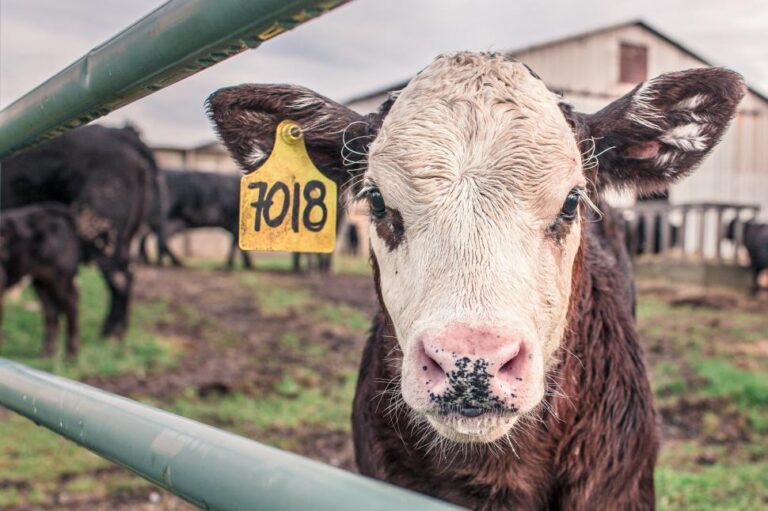
- Farmers told subsidies will be reduced unless they stop raising meat, dairy, and livestock
- Incentives favor “diversification” into non-food activities rather than continued farming
- Paid not to farm
- Policies encourage farmers to exit food production entirely
- Land is redirected toward alternative uses such as rewilding, education programs, or non-agricultural businesses
- Shift toward large-scale, corporate “agri-tech” systems
- Vision of “super farms”: centralized, tech-driven operations using robotics, automation, and data systems
- Traditional family farming model replaced by industrial-scale production
- Replacement of animal agriculture
- Explicit push to phase out meat and dairy farming
- Proposed alternatives include insect protein (“insect biomass”) and lab/industrial food systems
- Solar and energy infrastructure replacing farmland
- Farmers offered higher payments to convert land into solar farms or renewable projects
- Productive agricultural land increasingly removed from food production
- Import/export constraints vs. low domestic production
- Claims that policies aim to reduce or stop food imports/exports by ~2030
- Tension highlighted: UK currently produces well under half of its own food (~30%), raising food security concerns
- Top-down policy flow (global → local)
- UN frameworks (e.g., Agenda 21 / 2030) described as filtering through national governments → local councils
- Local planning increasingly prioritizes climate targets and renewables over food production
- Farmer protests as early warning signal
- Protests across the EU (e.g., fertilizer limits, regulatory pressure) seen as reaction to the same broader agenda
- UK rollout described as more gradual, reducing immediate backlash
- Economic pressure and demographic decline in farming
- Farmers financially squeezed while facing regulatory burdens
- Aging workforce, with fewer young people entering agriculture
- Food system consolidation risk
- Concern that control shifts from independent farmers to corporations, retailers, and centralized systems
- Farmers reduced to contract operators or removed entirely from the supply chain