Family farms face succession cliff
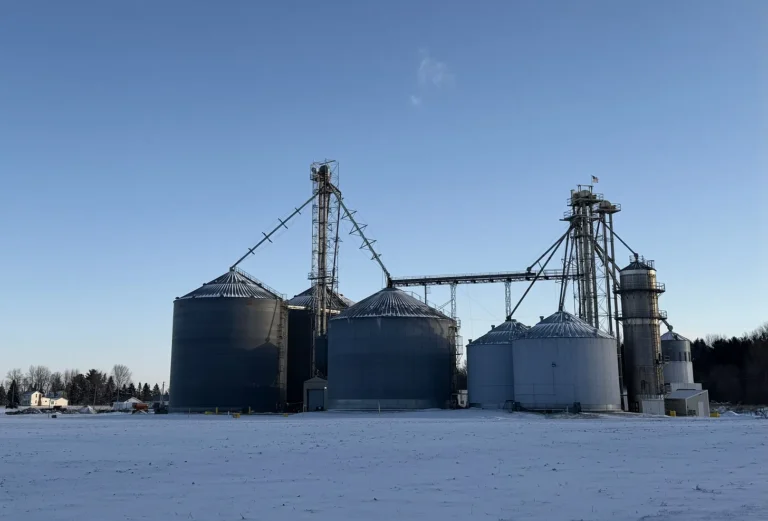
Rising costs, trade pressures, and consolidation leave fewer small farms able to pass to the next generation.
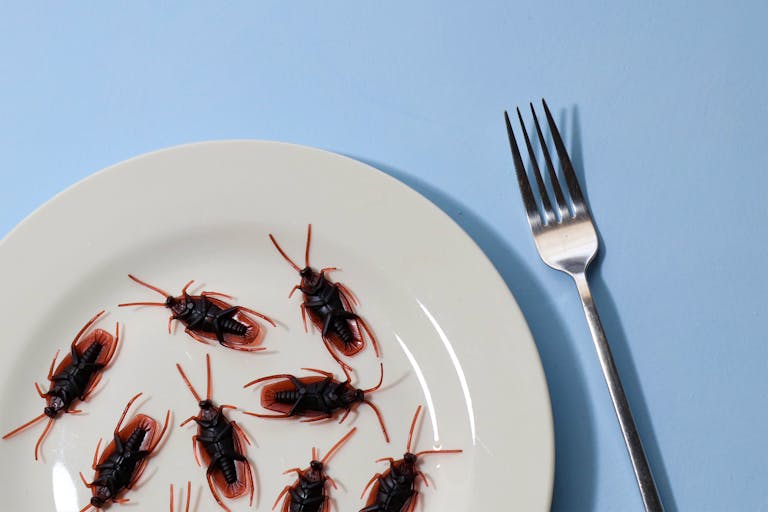
From failed startups to stalled mega-projects, the global push to industrialize insect protein is losing momentum.
A federal judge overturned an endangered-species designation imposed on private land with no evidence to support it — but most landowners don’t have the resources to fight back.
With more than half of household calories coming from ultra-processed food, the UK has become a case study in how modern food systems prioritize efficiency and profit over long-term health and resilience.
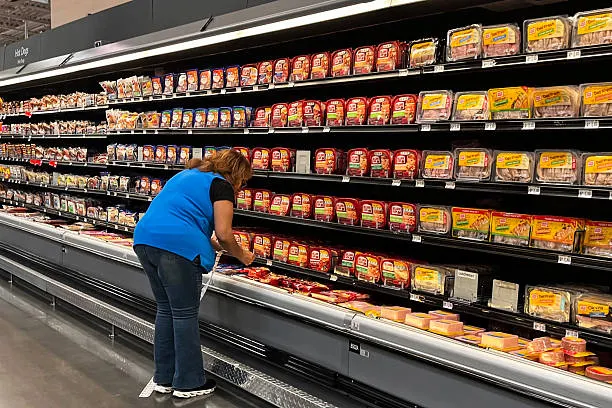
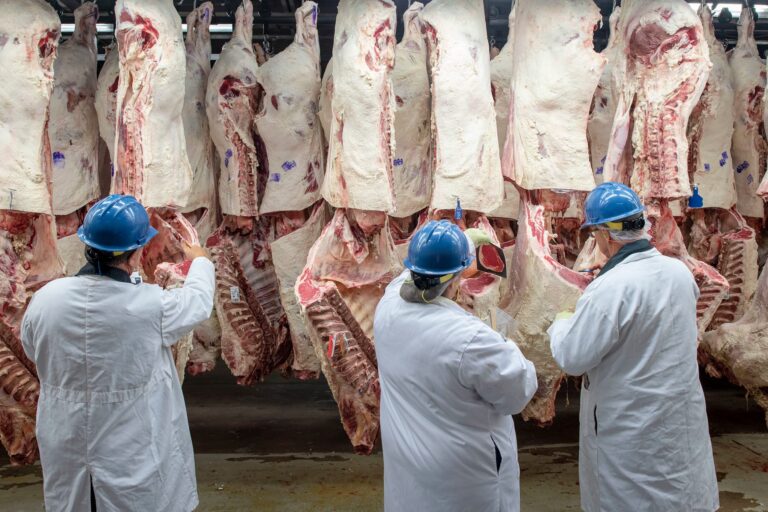
Hidden behind the illusion of choice at the grocery store is a highly consolidated system in which a handful of corporations control the animals, the farmers, the processing, and ultimately the price of the food on your plate.
Emergency aid is keeping farms afloat, but only structural policy reform will allow farmers to earn a living.
The crisis isn’t a lack of subsidies, but a food system clogged by consolidation and regulatory bottlenecks.
USDA launches “Make Agriculture Great Again” agenda with bold policies to protect, finance, and sustain small and mid-sized farms for future generations.
Monsanto, DuPont, and Syngenta dominate global seed sales through acquisitions and cross-licensing — shrinking seed diversity and farmer autonomy.
Decades of hype, soaring input costs, and pest resistance have left many Indian cotton growers worse off — a cautionary tale for GMO proponents everywhere.