When “saving a snake” means losing your land
A federal judge overturned an endangered-species designation imposed on private land with no evidence to support it — but most landowners don’t have the resources to fight back.

A federal judge overturned an endangered-species designation imposed on private land with no evidence to support it — but most landowners don’t have the resources to fight back.

With more than half of household calories coming from ultra-processed food, the UK has become a case study in how modern food systems prioritize efficiency and profit over long-term health and resilience.
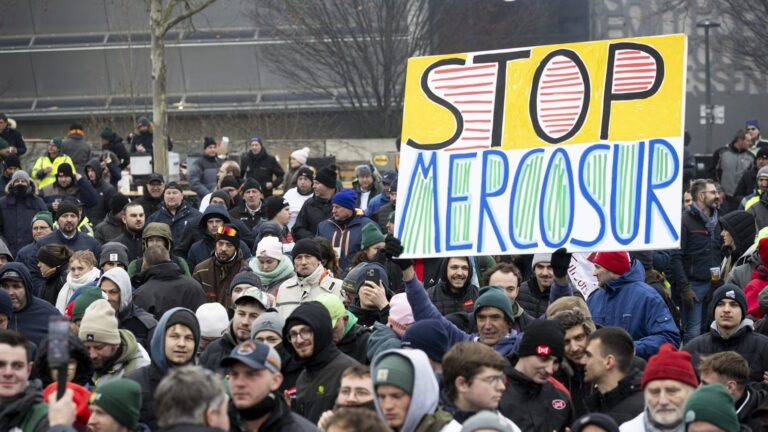
Protests across Europe are reigniting debate over the EU–Mercosur trade deal, as farmers warn that looser environmental standards in South America could undercut European agriculture and reshape global food markets.

An Iowa Public Radio report follows the story of an Iowa farmer grappling with depression and loss, revealing how market volatility, rising costs, and isolation are pushing farmers into a mental health crisis — with suicide rates far higher than the national average.

At the World Economic Forum’s annual meeting in Davos, panelists called for a long-term “cultural revolution” to overcome consumer resistance to lab-grown meat, framing the shift as necessary for health, environmental, and food-system goals.

The Supreme Court has agreed to hear Monsanto v. Durnell, a case that could wipe out pending and future lawsuits over glyphosate — even without granting the chemical industry a blanket immunity from liability.

John Klar and Meryl Nass talk about how food policy is quietly crushing small farmers — and why fixing local meat processing could lower prices, improve health, and strengthen food security.
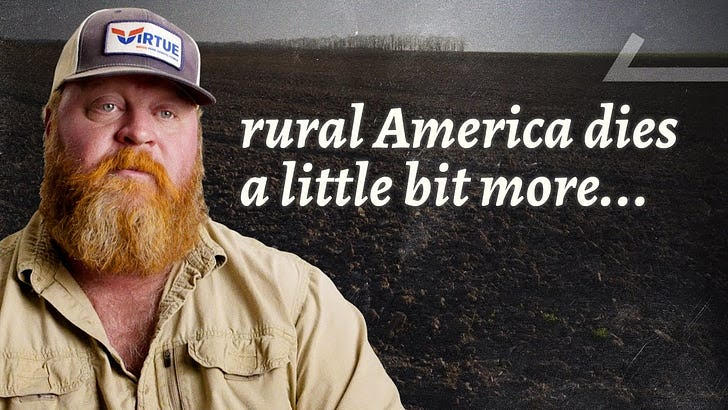
A new investigation shows how decades of consolidation have trapped U.S. farmers in a system designed for them to lose.
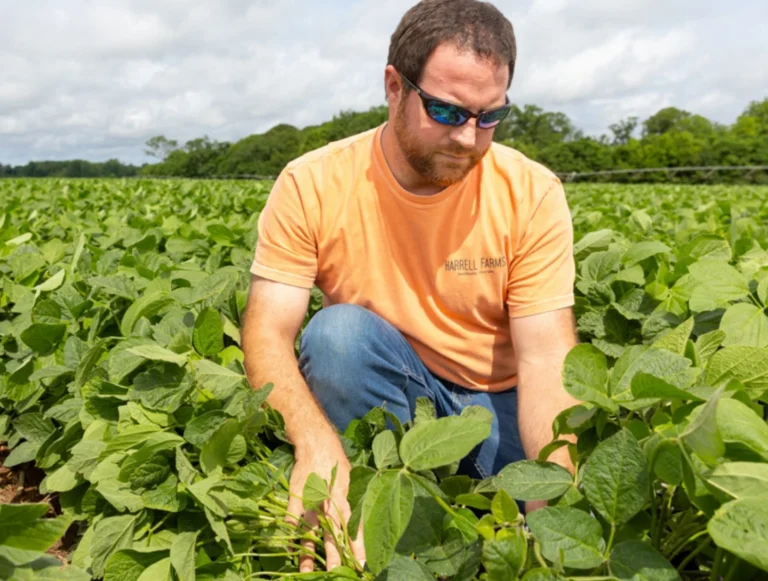
One of the South’s most successful growers has slashed nearly half his farmland, warning that fertilizer, fuel, and equipment prices have made large-scale farming financially impossible — and that thousands of acres across the region may sit empty next spring as farmers walk away.

This week, the House is set to vote on the Interior–Environment Appropriations bill — without Section 453, the provision that would have made updating pesticide labels significantly more difficult.