How the war in Iran is squeezing America’s favorite fruit
By Ana Swanson, The New York Times
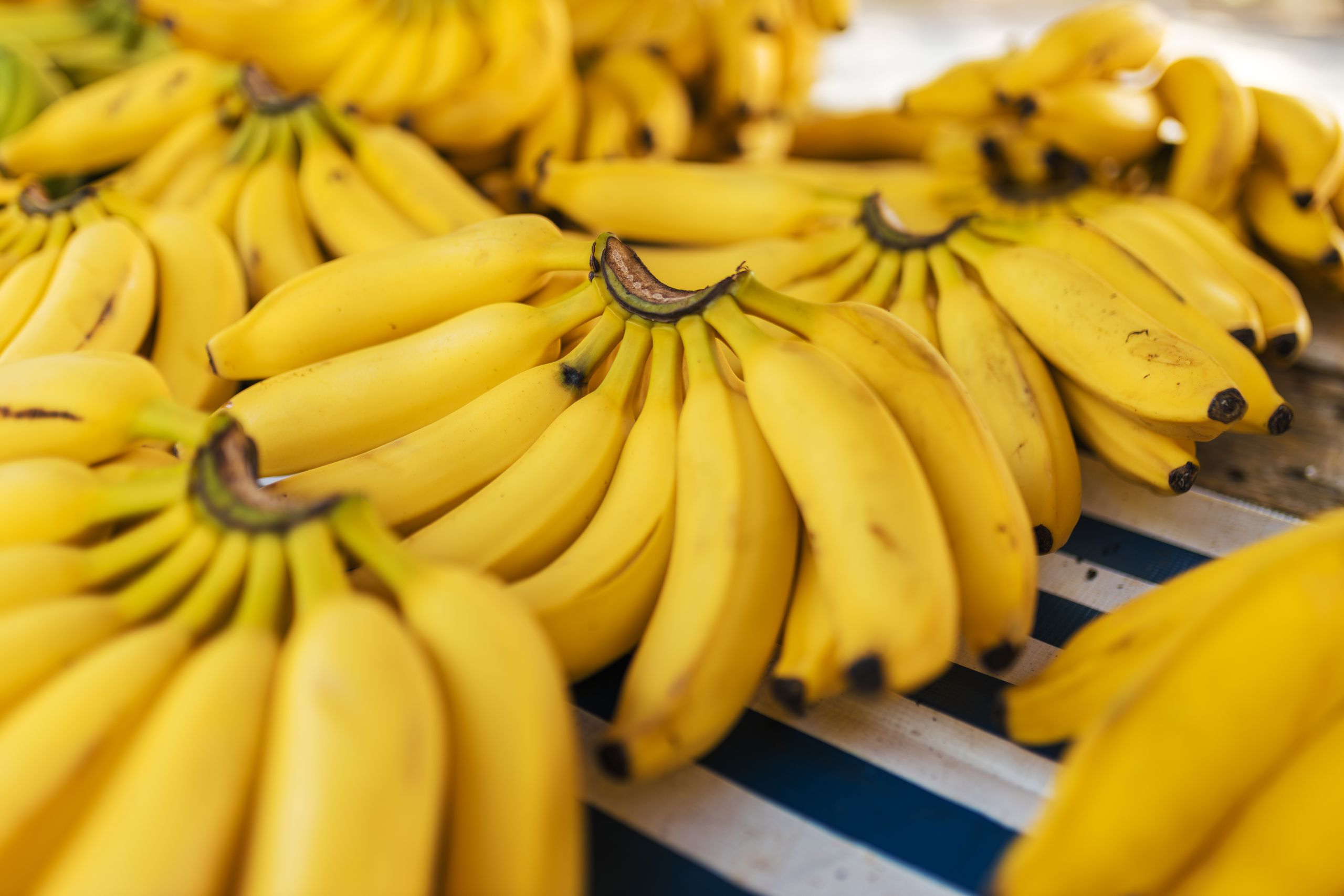
In an October 12 report for The New York Times, Ana Swanson traces the 2,500-mile journey of a banana from a Guatemalan plantation to an American supermarket, revealing the extraordinary logistics required to deliver a fruit that often sells for just 15 to 25 cents.
Bananas must be carefully harvested, packed, refrigerated, transported by truck and cargo ship, and artificially ripened before reaching consumers. Every stage depends on affordable energy, making the industry particularly vulnerable to disruptions caused by the war in Iran.
Since the conflict began seven months ago, U.S. diesel prices have risen roughly 70 percent, while shipping fuel, fertilizer, irrigation, packaging and agricultural chemicals have also become more expensive. Yet producers have little ability to pass these costs along.
Supermarkets deliberately keep banana prices low to attract shoppers, and many growers are locked into long-term contracts. Del Monte reported a banana profit margin of just 2.3 percent in the second quarter, while one Peruvian grower said his production costs had increased 25 to 30 percent.
The industry faces another threat: its overwhelming dependence on the Cavendish banana, a genetically uniform variety increasingly threatened by Panama disease. Rising production costs could force farmers to reduce fertilizer and disease-control treatments, potentially worsening future harvests. Some growers are already abandoning bananas for other crops.
This story illustrates a broader vulnerability in the modern food system: cheap food at the checkout does not necessarily mean inexpensive food to produce. A supply chain dependent on imported inputs, fossil fuels, long-distance transportation and narrow margins can absorb rising costs only for so long. The question is how much longer producers can maintain today’s prices without sacrificing profitability, production or future food supplies.
Read more: https://www.nytimes.com/2026/10/12/business/economy/bananas-iran-war.html