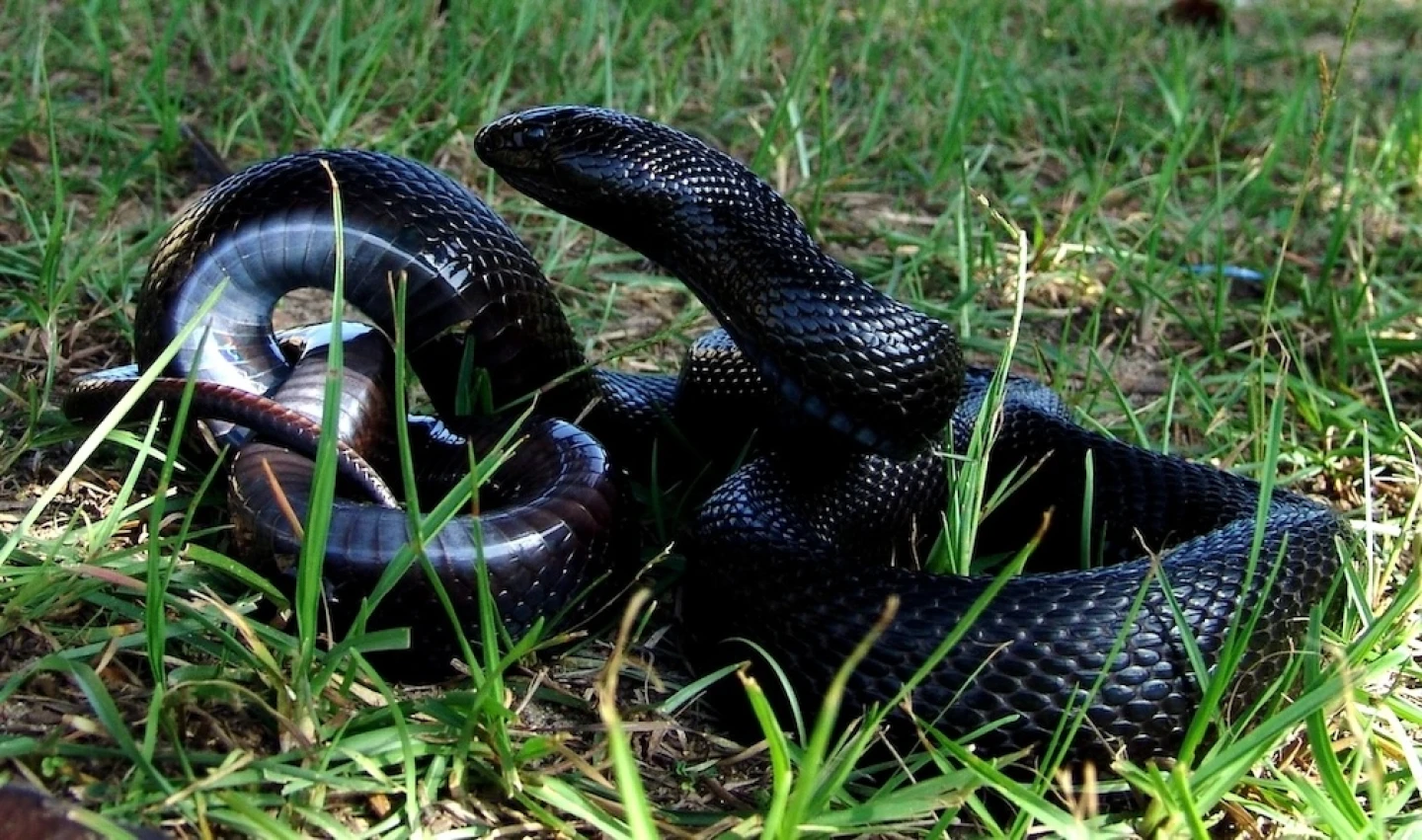
When “saving a snake” means losing your land
In the name of conservation, the federal government imposed sweeping restrictions on a privately owned Alabama timberland — despite the fact that the endangered species used to justify the action did not actually exist on the property.
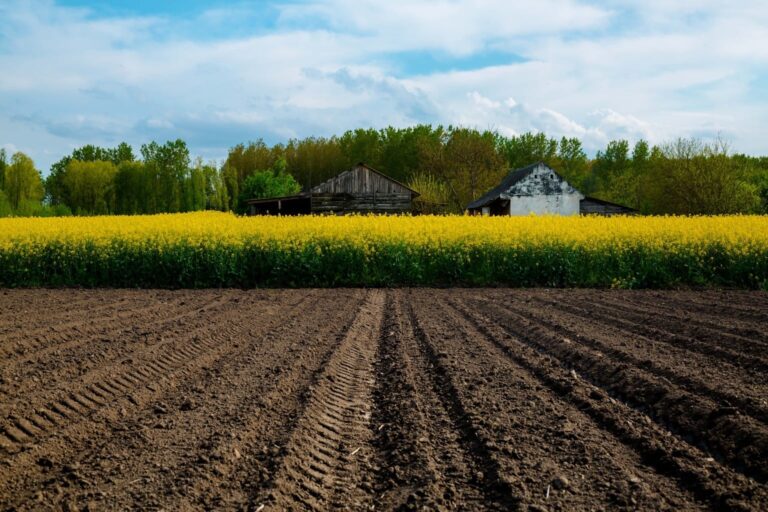
As reported by Chris Bennett for AgWeb, the U.S. Fish and Wildlife Service (FWS) designated more than 10,000 acres of land owned by the Skipper family as “critical habitat” for the black pinesnake, relying not on evidence of the animal’s presence, but on soil type and tree species. The designation triggered extensive paperwork, regulatory oversight, potential criminal liability, and a significant reduction in land value — all while federal officials privately acknowledged they had no authority to reintroduce the snake and no proof it lived there.
After years of compliance, cooperation, and conservation-minded stewardship dating back more than a century, the Skippers found themselves forced into court. In 2025, a federal judge ruled decisively against FWS, calling its actions “arbitrary and capricious” and sharply rebuking the agency for abusing its discretion and ignoring evidence.
The case exposes a deeper structural problem: while the Skippers were able to fight back with pro bono legal help, most farmers, ranchers, and foresters cannot afford years of litigation — nor can they risk an adverse ruling that could permanently destroy their livelihood. The message is clear. Conservation policies that ignore science, due process, and property rights don’t just fail — they backfire, eroding trust and punishing the very landowners who have historically protected the land.