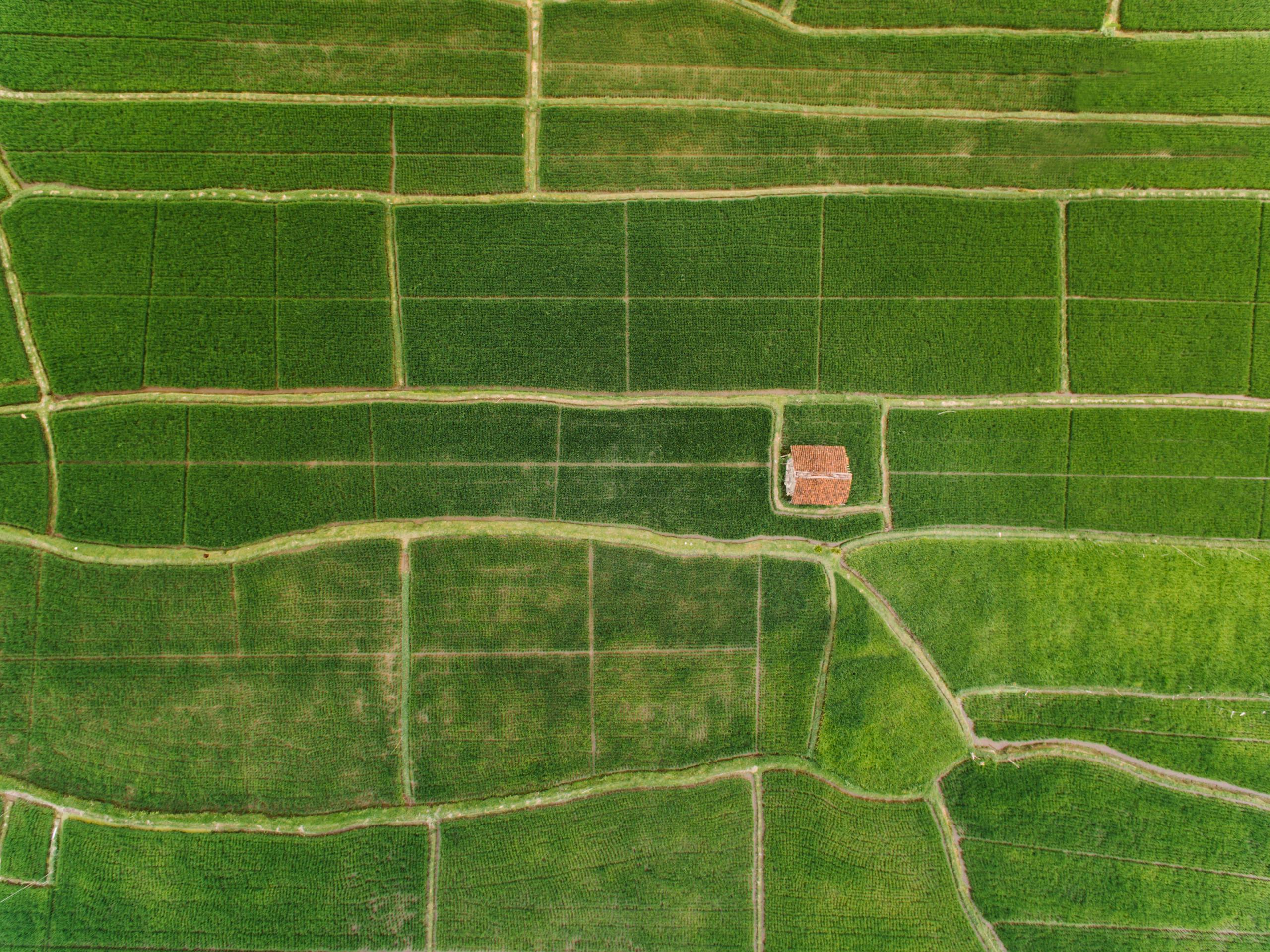
OPINION: A coming farmland transfer could reshape American agriculture
By Brooks Lamb
Writing in The New York Times, Brooks Lamb argues that the future of American agriculture will be shaped by a massive generational transition now underway. Lamb is an author and a special advisor to the American Farmland Trust. He wrote from Memphis.
Over the next two decades, the owners of roughly 300 million acres of U.S. farmland are expected to retire or pass away. Lamb says the question of who acquires that land — large agricultural corporations, private investors, or a new generation of farmers — will determine the future of rural communities and the nation’s food system.
Lamb notes that farmland consolidation has already accelerated over the past several decades as large operations and investors purchase small and midsize farms. At the same time, younger people who might want to farm face steep barriers to entry, especially the rising cost of farmland. He argues that the issue is less about a lack of interest in farming and more about economic realities that make it difficult for new farmers to get started.
According to Lamb, policies tied to the upcoming Farm Bill could play a key role in shaping that transition. Potential solutions include expanding conservation easements that keep farmland from being developed, increasing low-interest government loans and down-payment assistance for new farmers, and creating programs within the U.S. Department of Agriculture focused specifically on small farms. Without those changes, Lamb writes, much of the farmland set to change hands could continue moving toward consolidation or development rather than supporting the next generation of farmers.