Inside the doomsday seed vault
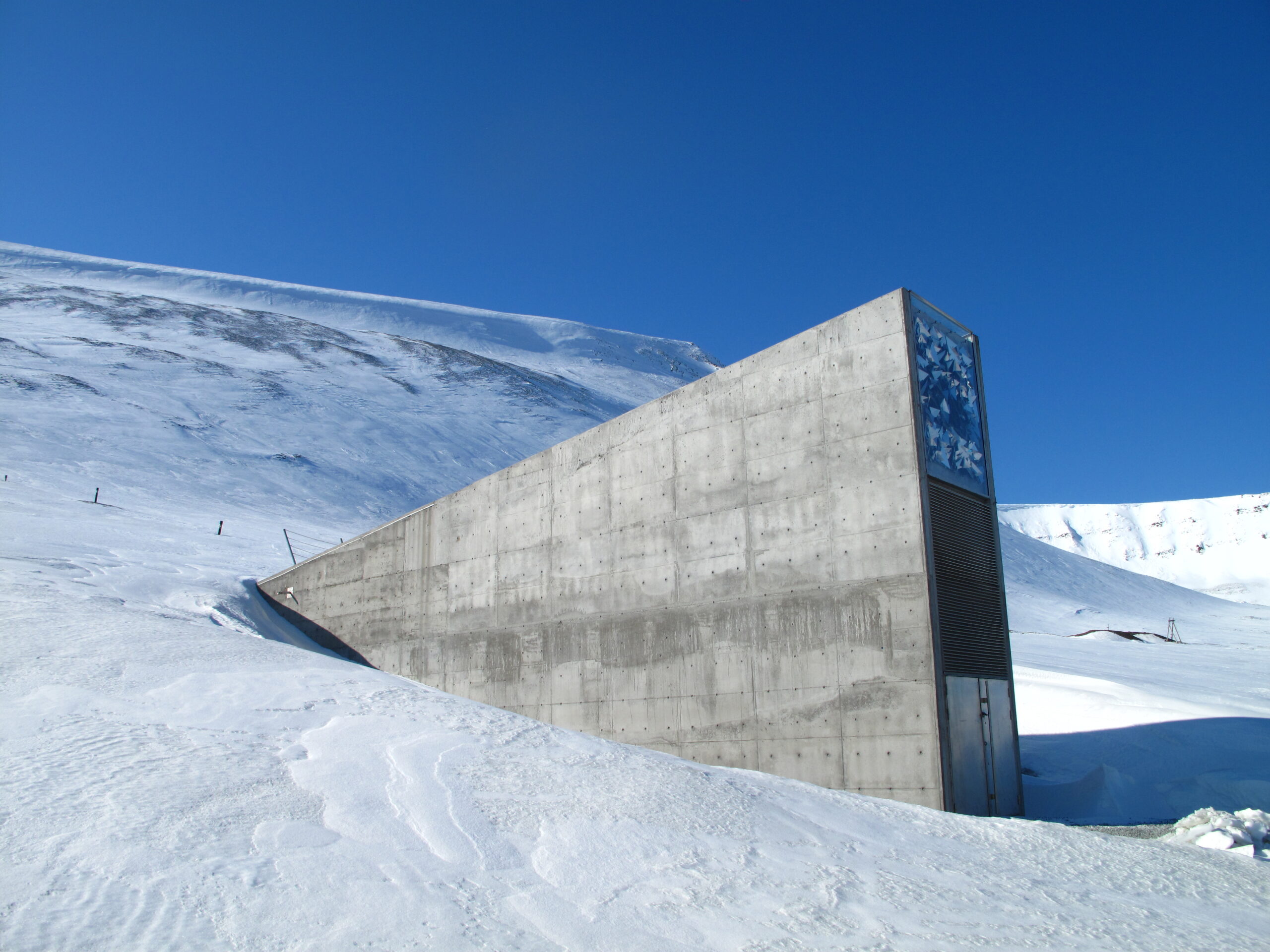
In a recent episode of The Corbett Report, James Corbett zeroes in on the Svalbard Global Seed Vault — a fortified facility carved into the Arctic permafrost, designed to store backup copies of the world’s crop seeds.
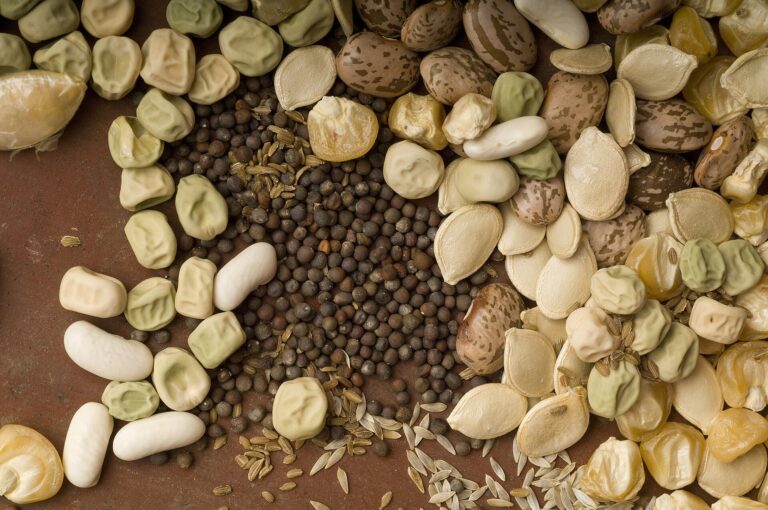
Officially framed as a neutral “insurance policy” for global food security, the vault holds over one million non-GMO seed varieties, with capacity for millions more, preserved to survive war, climate disruption, or global catastrophe — even without electricity.
As Corbett argues, the real story isn’t the vault itself, but who built it and why.
The seed vault is administered by the Global Crop Diversity Trust, an organization tied to the UN’s Plant Treaty and funded by a familiar constellation of power: the Gates Foundation, Rockefeller interests, agribusiness giants like Syngenta and DuPont, and intergovernmental bodies deeply embedded in the biotech ecosystem. Corbett traces these networks back to institutions historically associated with population control, eugenics, and genetic management, raising uncomfortable questions about intent.
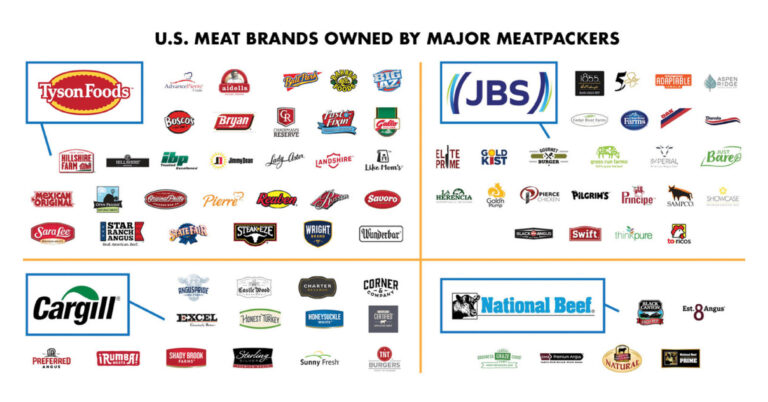
The central contradiction Corbett highlights is that the same actors who have engineered, patented, and monopolized the global food supply through GMOs are also quietly preserving heirloom, non-GMO seeds as a planetary backup. If GM crops are so safe, resilient, and essential for the future, why is the world’s genetic failsafe built entirely on non-engineered life?
Official justifications range from war and terrorism to pandemics and climate instability. But Corbett suggests these explanations don’t justify the scale, secrecy, or urgency behind the project. Instead, he proposes a more disturbing possibility: that those driving the genetic modification of food systems may anticipate systemic failure, ecological contamination, or irreversible damage — and are preparing a biological reset.
Watch the full episode here:
Corbett ultimately argues that top-down political solutions are unlikely to succeed against multinational biotech power, but history shows that consumer boycotts, local food systems, seed saving, and refusal can meaningfully disrupt corporate agendas. The survival of non-GMO seeds, he concludes, should not depend on a vault controlled by global elites — but on everyday choices made at kitchen tables, farms, and markets around the world.